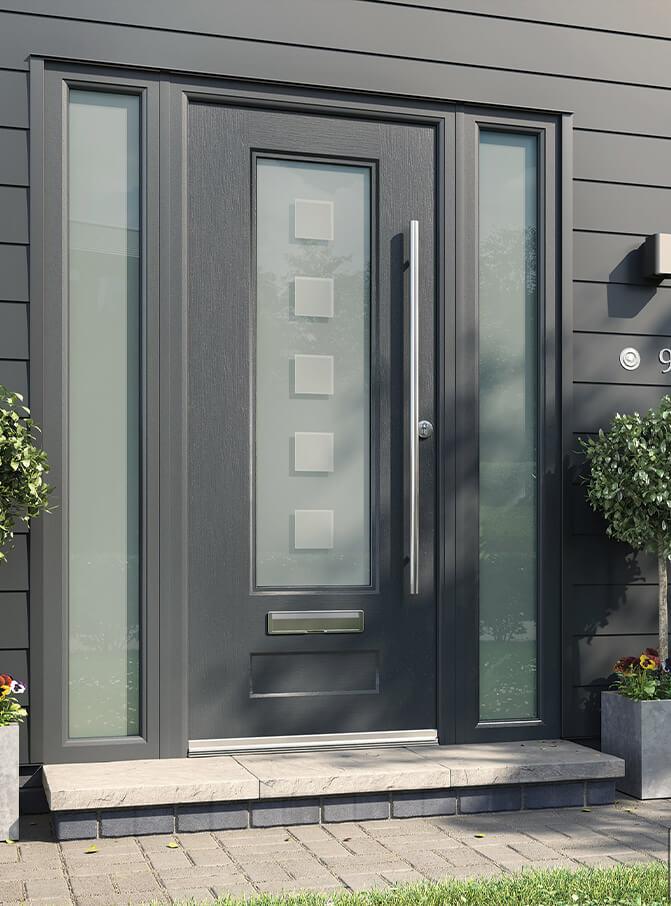
The entrance to a home is a powerful statement, reflecting both personal style and architectural context. The choice of front door significantly impacts curb appeal and overall aesthetic. In recent years, composite door styles have surged in popularity, offering a compelling blend of style, durability, and energy efficiency. This comprehensive guide explores the diverse world of composite door styles, helping you navigate the options and select the perfect fit for your home.
Understanding Composite Doors
Composite doors are constructed from a layered material, typically incorporating a core of high-density polyurethane foam sandwiched between layers of fiberglass, wood, or other durable materials. This construction delivers a door that is significantly more robust and energy-efficient than traditional timber doors. The composite door styles offer a balance of aesthetic appeal and practical functionality, surpassing the limitations of traditional materials. Unlike solid wood doors, composite doors are less susceptible to warping, rotting, and shrinking, while also offering superior insulation properties. The strength of these doors also contributes to improved security, making them a popular choice for homeowners prioritizing safety.
A Spectrum of Composite Door Styles: Exploring Design Options
The range of composite door styles available is vast, offering something for every architectural taste. From traditional to contemporary, the variety is extensive. Many homeowners opt for composite doors that mimic the appearance of traditional materials. For instance, many composite door styles expertly replicate the richness and detail of wood grain, providing the aesthetic appeal of a solid wood door without the associated maintenance. These composite door styles often feature deeply embossed panels, creating the illusion of handcrafted details, while the inherent strength of the composite material eliminates the concerns of warping or cracking.
The versatility of composite door styles extends to color options as well. While natural wood tones remain a popular choice, mimicking the look of oak, mahogany, or cherry, the range also includes a wide array of painted finishes. Deep, rich colors, pastel shades, and even bold, modern hues are readily available, allowing you to perfectly match your existing exterior palette or create a striking contrast. Some composite door styles even incorporate glass panels, adding a touch of elegance and allowing natural light to filter into the home. The glass panels themselves can vary widely in style – from simple, clear panes to elaborate stained glass designs or frosted glass offering privacy. This integration of glass within the composite door styles further enhances the design possibilities.
Modern and Contemporary Composite Door Styles
In addition to replicating traditional aesthetics, composite door styles embrace modern design trends. Clean lines, minimalist detailing, and sleek finishes are key features of many contemporary designs. These doors often incorporate large panels of glass, creating a sense of openness and maximizing natural light. The overall effect can be both sophisticated and welcoming, making a strong architectural statement. Modern composite door styles can also incorporate various metallic accents, such as brushed aluminum or stainless steel hardware, adding a touch of industrial chic. The sleek lines and simplified designs present a contemporary counterpoint to the ornate details found in more traditional styles.
Exploring Panel Styles and Details Within Composite Door Styles
The panel design within composite door styles is another important element to consider. Traditional styles often feature raised or recessed panels, creating a sense of depth and dimension. Modern designs often favor flat panels or simple geometric patterns. The choice of panel design significantly affects the overall look and feel of the door, contributing to its visual appeal and integration with the home’s style. Additional detailing, such as decorative glazing bars within the glass panels, or intricate moldings around the door frame, can further enhance the aesthetic impact of your chosen composite door styles. These details provide opportunities for personalization, allowing homeowners to create a unique and stylish entryway.
The Importance of Material and Finish Selection in Composite Door Styles
The choice of materials and finishes is crucial in achieving the desired aesthetic and ensuring longevity. The outer layer of the composite door styles can significantly influence its appearance and resistance to weather conditions. Fiberglass is a particularly durable option, offering excellent resistance to scratches, dents, and fading. Wood-grained finishes can provide a more natural look, while painted finishes offer a wide range of color options and are often easier to maintain. Consider the climate in your location and choose a finish that can withstand local weather conditions. The finish of your composite door styles also plays a role in the overall maintenance required, with certain finishes requiring less upkeep than others.
Practical Considerations When Choosing Composite Door Styles
Beyond aesthetics, several practical factors should influence your decision when choosing composite door styles. Energy efficiency is a key benefit of composite doors, as their insulating properties help to keep your home warmer in winter and cooler in summer. This translates to lower energy bills and a reduced environmental footprint. Security is another critical aspect. The robust construction of composite doors provides superior security compared to traditional materials. Features like multi-point locking systems further enhance security, offering peace of mind to homeowners. Maintenance requirements are significantly lower with composite doors. Unlike wood doors that require regular painting and staining, composite doors typically require only occasional cleaning, making them a low-maintenance option.
The Process of Selecting Composite Door Styles
Selecting the perfect composite door style involves careful consideration of various factors. Start by defining your budget and desired aesthetic. Browse catalogs, visit showrooms, and explore online resources to gather inspiration and understand the range of options available. Consider the architectural style of your home and how the door will integrate with the existing exterior design. Think about the level of security you require and the energy efficiency features you prioritize. Finally, consult with professionals who can guide you through the selection process and ensure proper installation. Their expertise can be invaluable in navigating the various composite door styles and choosing the best option for your specific needs.
In Conclusion
Composite door styles represent a sophisticated evolution in entranceway design. Their blend of aesthetic appeal, durability, and energy efficiency makes them an attractive option for homeowners. The wide variety of styles, finishes, and panel designs ensures that there is a composite door to suit every home and individual preference. By considering the factors discussed, you can confidently choose composite door styles that will enhance your home’s curb appeal and provide lasting value for years to come. The combination of practicality and style makes composite doors an excellent choice for those seeking a blend of form and function at their front entrance. Careful planning and selection will ensure your composite door becomes a stunning and practical focal point of your property.