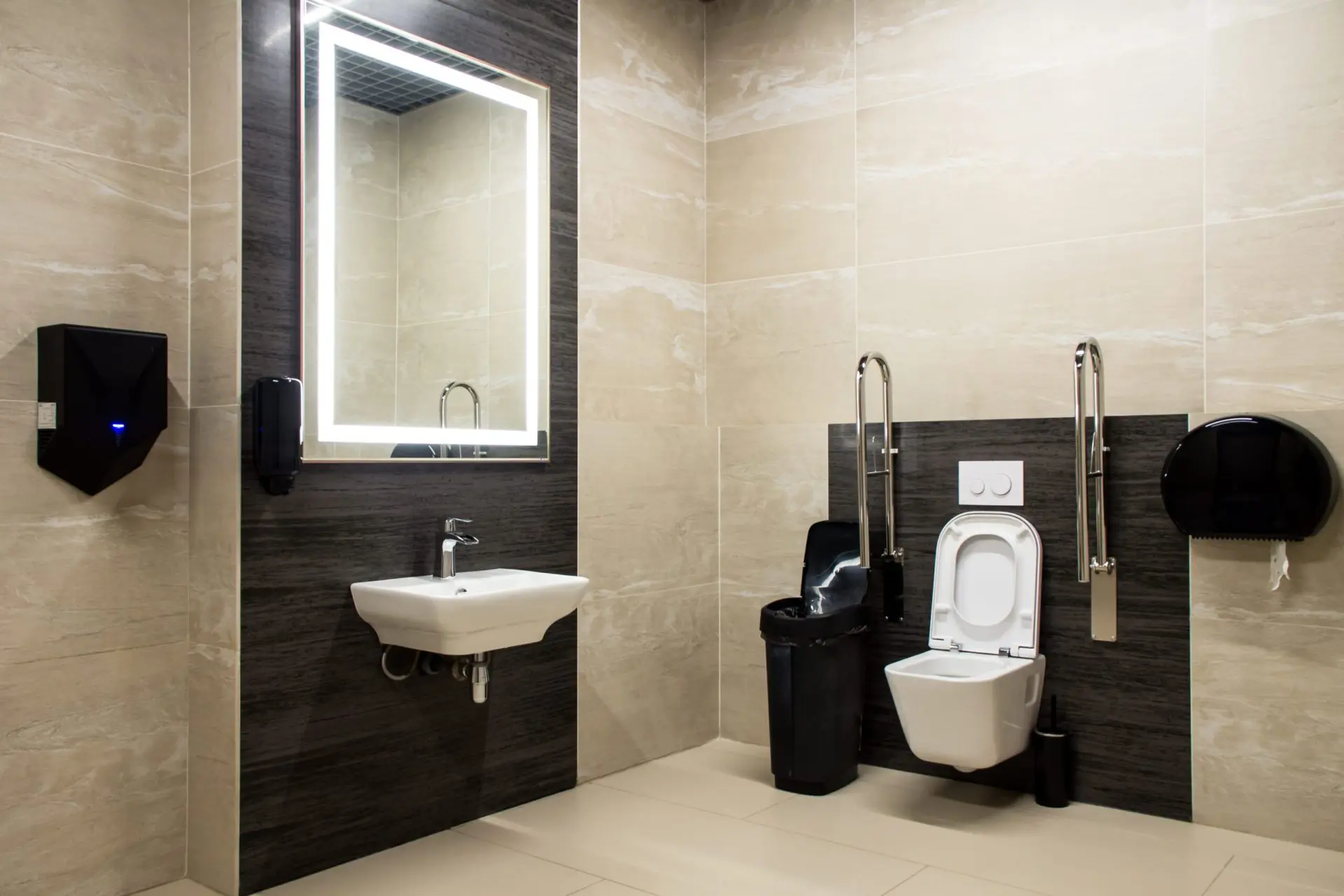
The bathroom, a space often taken for granted, can become a significant challenge for individuals with mobility limitations. Navigating a standard bathroom can be difficult, even dangerous, for those with reduced mobility, arthritis, or other physical limitations. However, the design and implementation of mobility bathrooms are transforming this space from a potential hazard into a haven of safety and independence. This comprehensive guide delves into the key considerations for creating mobility bathrooms that prioritize both functionality and comfort.
Understanding the Needs of Mobility Bathrooms
The core principle underpinning the design of mobility bathrooms is the promotion of independence and safety. This involves careful consideration of various aspects, from the layout and accessibility of fixtures to the choice of materials and assistive devices. Mobility bathrooms are not just about adapting existing spaces; they are about creating environments specifically designed to meet the unique needs of the individual. The goal is to create a bathroom that allows the user to perform daily hygiene tasks with ease, dignity, and minimal risk of falls or injury. This necessitates a departure from traditional bathroom layouts and an embracing of user-centered design principles.
Key Features of Well-Designed Mobility Bathrooms
A well-designed mobility bathroom incorporates several key features to ensure ease of use and safety. First and foremost is ample space. Mobility bathrooms require a larger footprint than standard bathrooms to accommodate wheelchairs, walkers, and other mobility aids. This increased space allows for easier maneuvering and reduces the risk of collisions. Wider doorways, often at least 36 inches wide, are essential to accommodate wheelchairs and other assistive devices. Likewise, hallways leading to the mobility bathrooms should also be generously sized.
Grab bars, strategically positioned around the shower, toilet, and bathtub, are another crucial element in mobility bathrooms. These provide vital support, enabling users to maintain balance and prevent falls. Grab bars should be securely anchored to the wall and made of durable, non-slip material. The placement of these grab bars requires careful consideration, tailored to the individual’s specific needs and abilities. The flooring in mobility bathrooms should be non-slip, to minimize the risk of falls. Materials like textured tile or rubber mats are ideal choices. Avoid slippery materials such as polished marble or highly glazed tiles. The floor should be level, without any significant changes in elevation, further contributing to safety in mobility bathrooms.
Adaptive Fixtures in Mobility Bathrooms
The fixtures within mobility bathrooms must also be adapted to accommodate varying levels of mobility. A walk-in shower, replacing a traditional bathtub, eliminates the need to step over a high threshold. This greatly simplifies the showering process and minimizes the risk of falls, a major concern in standard bathrooms. In some mobility bathrooms, a shower seat is integrated into the shower enclosure, providing additional support for users who need to sit while showering. Similarly, the toilet in mobility bathrooms should be raised to a height that is comfortable and accessible for the user. Raised toilet seats can also be added to existing toilets to achieve a similar effect.
The placement of washbasins in mobility bathrooms is also important. A wall-mounted sink, at a lower height, can be easier to use than a traditional pedestal sink. The tap controls should be lever-style, as these are easier to operate than traditional knobs, particularly for those with limited dexterity or arthritis. Many mobility bathrooms also incorporate features such as adjustable showerheads, which can be adjusted to different heights and angles to accommodate the user’s needs. These carefully considered details underscore the design philosophy behind mobility bathrooms, which places user comfort and safety at the forefront.
Lighting and Safety Features in Mobility Bathrooms
Adequate lighting is crucial in mobility bathrooms, as poor lighting can contribute to falls and accidents. Bright, even lighting throughout the room is essential. In some cases, additional lighting near the toilet, shower, and sink might be beneficial. Emergency call systems are another safety feature often incorporated into mobility bathrooms. These systems allow users to summon assistance in case of a fall or emergency, providing a crucial layer of security. These systems can be directly connected to a caregiver or emergency services, enhancing safety and peace of mind. The careful integration of such features shows the depth of consideration involved in the creation of truly functional mobility bathrooms.
Design Considerations for Mobility Bathrooms
The design of mobility bathrooms extends beyond the inclusion of specific fixtures and accessories. It also incorporates broader design principles focused on accessibility and user-friendliness. A well-designed mobility bathroom is not simply functional; it is also aesthetically pleasing and contributes positively to the overall sense of wellbeing. It is possible to create mobility bathrooms that are both safe and stylish, integrating seamlessly with the rest of the home. The use of colour and texture plays a role in the overall experience, creating a space that is both welcoming and calming.
The Future of Mobility Bathrooms: Smart Technology and Universal Design
The field of mobility bathrooms is constantly evolving, with the integration of smart technology offering exciting possibilities for improved accessibility and independence. Smart toilets, equipped with sensors and automated features, can further enhance convenience and safety for users. Voice-activated controls and automated lighting systems are also emerging as potential additions to future mobility bathrooms. The concept of universal design, which aims to create environments that are accessible to people of all abilities, is becoming increasingly important in the design of mobility bathrooms. This approach emphasizes the creation of adaptable spaces that can accommodate evolving needs over time, ensuring that the bathroom remains functional and comfortable throughout the user’s life. The continued development of universal design principles promises to create mobility bathrooms that are inclusive and accessible to a wider range of users.
In Conclusion: Embracing the Potential of Mobility Bathrooms
Mobility bathrooms represent a significant step towards fostering independence and improving the quality of life for individuals with mobility limitations. By incorporating thoughtful design elements, adaptive fixtures, and safety features, mobility bathrooms transform a potentially hazardous space into a safe and comfortable environment. The ongoing development of innovative technologies and universal design principles further enhances the potential of mobility bathrooms, underscoring their vital role in creating inclusive and accessible living spaces. It’s important to remember that the creation of a truly effective mobility bathroom requires careful consideration of the individual’s specific needs and preferences, ensuring that the resulting space supports their dignity and independence. This holistic approach is paramount in the creation of exceptional mobility bathrooms. The focus should remain on the user, creating a space they can use with confidence and ease.