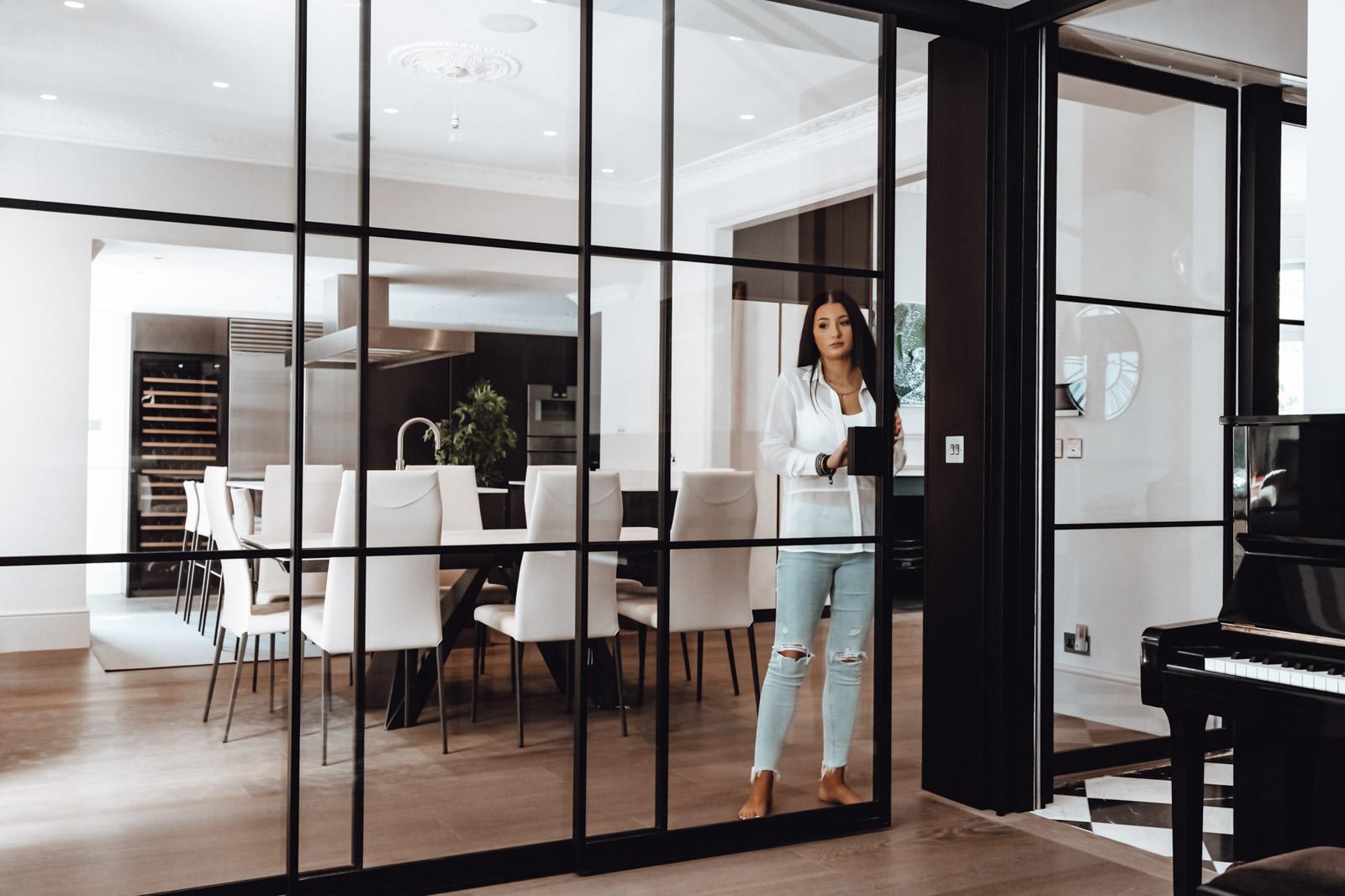
As an enticing substitute for conventional hinged doors, internal sliding doors have stealthily transformed house interior design. They are a staple of modern house design due to their capacity to make the most of available space, improve the flow of light, and harmonise with a wide range of aesthetic preferences.
Their adaptability is apparent. Transforming into fashionable and practical solutions for a range of rooms, internal sliding doors seamlessly go beyond being just barriers. They serve as visual barriers in the increasingly common open-plan living arrangements, separating rooms but maintaining the sense of connectivity between them. Picture a smooth flow from a busy kitchen into a warm living area, with the only sound being the soft gliding of sliding doors.
The inside sliding door’s attractiveness rests on its practicality. Wherever space is at a premium, these doors will be a welcome addition. Their sleek glide motion makes efficient use of floor space and gives the impression of more openness by doing away with the necessity for cumbersome swinging space. The installation of internal sliding doors, for example, may widen a cramped hallway into a light and airy corridor, greatly improving the efficiency and comfort of movement within.
Internal sliding doors are also great at isolating a space from outside noise. They make it possible to create peaceful retreats inside the home by blocking out the noise of everyday life. If you want to get some work done or unwind without interruptions from the rest of the house, set up your home office in a quiet, isolated area.
These advantages aren’t limited to just one room in the house, either. Subtly separating a bathroom from a bedroom may improve seclusion, lessen the impact of outside noise, and keep the two rooms feeling connected. Sliding doors installed inside can hide storage areas, making them blend in with the rest of the room’s decor and even provide aesthetic value.
When it comes to aesthetics, homeowners have a plethora of alternatives with internal sliding doors, which mirror modern design trends. Internal sliding doors offer a more fluid and modern look compared to traditional doors, which tend to have a more formal and stiff vibe.
A modern touch of elegance and refinement may be achieved in minimalist homes through the use of simple, modern materials such as glass, metal, or smooth wood tones. Glass panels with a frosted or textured surface can create the illusion of solitude without completely blocking the view. Decorative hardware and trimmings are another way to personalise internal sliding doors, allowing them to match the homeowner’s personality.
The adaptation of internal sliding doors to numerous architectural styles is another example of their versatility. Sliding doors are a great way to update a classic house without sacrificing any of its original charm.
For instance, a traditional wooden sliding screen might evoke a sense of nostalgia while also serving a practical and multipurpose purpose. Glass sliding doors, on the other hand, may be a stunning addition to a modern home’s minimalistic design.
When it comes down to it, homeowners who are looking for methods to improve their living spaces aesthetically and practically will find internal sliding doors to be an appealing option. Their innovative combination of form and function captures the essence of modern living and fits in perfectly with the ever-changing world of modern house design.