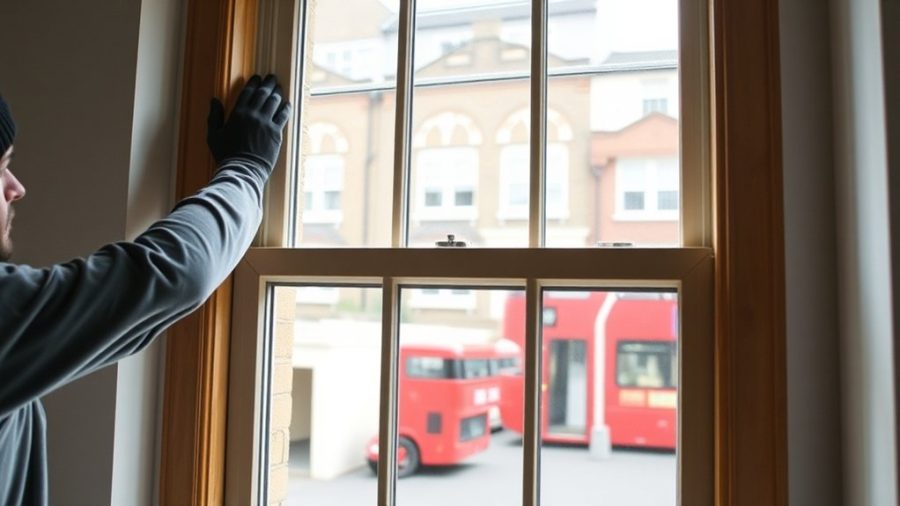
Noises outside the house, such as a nearby train, planes in the sky, or neighbours’ music, can make even the most peaceful household a source of continual stress. A lot of people think relocating is the only option, but new windows may make a huge difference if you pick the right ones. If you’re a homeowner, landlord, or tenant looking to make a room quieter without replacing the windows, secondary glazing for noise reduction is a great alternative. Learn the ins and outs of secondary glazing, including how it works, why it efficiently reduces sound, what to consider before installing it, and how to assess if it’s the appropriate decision for your property.
The Reasons Windows Allow Outside Noise to Enter
Vibrations in the air are what actually carry sound. When the tremors reach a window, they cause the glass to shatter, and the resulting sound travels across the room. Due to the low soundproofing and easy vibration of a single pane of glass, single glazed windows are especially susceptible. Particularly in cases when the two panes are of identical thickness, even thermally insulated double-glazed units might not offer good acoustic performance.
Additionally, the frame’s gaps are important. Draughts indicate air leaking, and sound travels in the same directions. Although the glass may be able to prevent noise, a window that isn’t properly sealed will still let some in. A secondary glazing for noise reduction strategy considers the glass and the sealing around it, which can be better understood by examining these approaches.
Soundproofing with Secondary Glazing
When you install secondary glazing for noise reduction, you’re essentially adding a second pane of glass to an existing window—either a sealed unit or a detachable panel. As a general rule, it is significantly more effective to use two panes of glass with an air gap between them to block out noise than to use just one. Because the air between the panes vibrates in its own unique way, energy can be absorbed and dispersed. A wider space between the panes typically results in better performance, but there is a limit beyond which the benefits start to wane, and this gap is crucial to the system’s efficiency.
All of the window’s components, including the frame and glass, are unaffected by the addition of the additional layer. For properties with a history, those that are on the national register of historic places, or those located in conservation areas, where alterations to the exterior may be prohibited, secondary glazing is a common option. The building’s character may be preserved while the acoustic performance is improved by fitting the inner panel with a fine frame that is hardly visible from the street.
Numerous Secondary Glazing Options
A number of general methods exist. Hinged or casement systems allow air to circulate by opening in the same way as a regular window. In larger openings or areas with limited space, sliding systems that operate on tracks are commonly used. The panels can be easily removed for cleaning purposes or when access to the window is needed; they are fastened with clips or magnetic sealing. There are advantages and disadvantages to each type in terms of portability, opening ease, and acoustic seal quality.
In many cases, the seal quality is just as important as the glass thickness when it comes to noise reduction. The new frame has soft gaskets all around to seal any tiny holes that could allow sound to get through. Laminates are a kind of interlayer material that are glued between two sheets of glass. Where noise is an issue, laminated glass is commonly requested because it reduces vibration more efficiently than regular glass. Additionally, thicker glass can be helpful, but it is more expensive, heavier, and requires proper support.
Evaluating the Noise Issue Prior to Purchase
The best way to muffle a certain sound will vary according to the kind of noise you’re after. The deep rumbling of large cars or bass from an adjacent property are examples of low-frequency noise that can be extremely difficult to prevent, and further precautions or thicker glass may be necessary. In most cases, it is easier to lower the volume of higher-pitched sounds like voices or high-frequency traffic.
Taking the time to observe the issue is worthwhile. Be careful to record the loudest times, if it’s coming from all directions, and the path the sound takes as it moves through the house. Instead seeing the glass itself, some individuals hear noises coming in via the window frame or the wall. To determine the amount of outside noise, try listening to the room with and without the window open. A specialist will be able to recommend an appropriate specification with this information.
In order to give a more accurate picture of the potential improvement, some installers provide acoustic studies that evaluate both the internal and outdoor noise levels. Such studies can be especially helpful in cases when a facility is on a key transportation corridor or is subject to planning conditions.
Optimal Airflow and Reliability
Ventilation is a typical issue with airtight glass. Kitchens, baths, and bedrooms are especially prone to stuffiness, dampness, and unpleasant warmth when left closed to block out noise. Therefore, ventilation should be included in good acoustic design. Mechanical ventilation or trickle vents can bring in fresh air without allowing noise to seep in via the openings in the secondary glazing. When it comes to controlling condensation and keeping the air quality within a building, background ventilation is equally crucial.
A pleasant byproduct is thermal comfort. Many homeowners have noticed that rooms seem warmer in winter and that draughts are less evident due to the air gap that minimises sound and slows heat loss. Many people who reside in close proximity to busy roadways appreciate the increased comfort just as much as they do the decreased noise.
Strategy, Rules, and Authorisations
Make sure you have the necessary permits before putting in any new windows. Any alteration to a listed building’s character requires listed building consent, and many conservation areas even limit renovations that can be seen from the street. It is prudent to think about the new system’s appearance from the outside and how it will impact neighbours, even in cases when approval is not necessary.
Where the work impacts the room’s ventilation, safety, or methods of escape, building laws may also come into play. A reliable installation should be happy to go over the specific regulations that apply to your home and the steps needed to prove compliance. Before making any changes, landlords should review their responsibilities under tenancy agreements and lease terms.
Selecting a Reliable Installer
The effectiveness is greatly affected by how well it was installed. Inadequately fitted frames and seals might cause even the greatest system to fail. Get written estimates from different installers that detail the glazing type, pane gap, seals, frame materials, and fitting procedure. This will help you compare and contrast their services. For those that prioritise noise reduction, a nebulous quote that fails to address acoustic performance should serve as a red flag.
Try to find proof that they have worked on acoustic projects before, not only glazing jobs. Make sure you view examples of prior installations and enquire about test results and performance data provided by the installer. Honest experts are happy to talk about their process and set reasonable expectations. Because the effectiveness of any given system is highly dependent on the source, the structure, and the specifications, you should exercise caution when dealing with claims of total quiet.
Verifying the installer’s public liability insurance and making sure written warranties are in place for both materials and workmanship are further sensible precautions to take.
Establishing Practical Goals
Secondary glazing for noise reduction can be quite effective, but it functions best when used in conjunction with other strategies. A new window system can be complemented by sealing gaps in external walls, adding loft insulation, fitting heavier internal doors, or employing soft furnishings like rugs and curtains. All things considered, these steps lessen the amount of outside noise and the amount of sound that echoes inside a given space.
In the grand scheme of things, expectations are important. The benefit of secondary glazing depends on thoughtful planning, correct installation, and frequent maintenance; it is an investment, not a fast cure. The system will last longer and work better if you clean the seals regularly, make sure the clips and hinges are in good working order, and deal with moisture quickly.
Choosing the Best Choice
The installation of secondary glazing for noise reduction provides a realistic solution for people whose homes are constantly disturbed by noise while still allowing the building’s original character to be preserved. Because of its versatility, low impact on surrounding areas, and lower cost compared to window replacement, it is a great choice for many different types of homes. A thorough analysis of the noise issue, an accurate evaluation of the available choices, and a meticulous selection of the installer are the cornerstones of a successful project.
The effort spent researching your options will be well worth it. If people can make their homes more peaceful, it will have a positive impact on their health in many ways, including their ability to sleep, focus, and overall happiness. With careful planning and expert installation, secondary glazing may muffle outside noise and provide a peaceful indoor environment.