Removing a tree can seem like a straightforward job, but it is one of the most hazardous tasks in property maintenance. Trees are heavy, their weight is often poorly distributed, and their branches can shift unpredictably as they are cut. Every year, people are seriously injured or killed while attempting work that they assumed was manageable. Whether you live in a village on the Cheshire plain or a town on the edge of the Welsh border, choosing a qualified professional is the most reliable way to protect yourself, your property and your neighbours. This guide explains what makes tree removal dangerous, what a competent tree surgeon should provide, and how to make an informed decision, particularly if you are arranging tree removal in Wrexham, tree removal in Chester or the surrounding communities.
Why Tree Removal Is More Dangerous Than It Looks
A mature tree can weigh many tonnes, and much of that weight is held high above the ground. When a limb is cut during tree removal in Chester or Wrexham, it may fall in a direction that is not obvious from where the cut is made. Branches under tension can snap back violently, and trunks can split or rotate as they are released. Hidden defects such as internal decay, cracks, or weakened unions between branches can cause sudden failure even when the tree appears sound from the ground.
Working at height adds further risk. Climbing with ropes and harnesses requires training, specialist equipment and a clear understanding of how loads transfer through the tree and the rigging. Chainsaws are powerful tools that cause severe injuries within seconds of a mistake. Even a small error in judgement can result in a falling branch striking a person, damaging a building or bringing down power lines.
These hazards explain why professional tree work is a specialist trade. Experienced operators assess each tree individually, plan the removal in sections where necessary, and use methods designed to control the descent of every piece.
What a Professional Tree Surgeon Brings
A qualified tree surgeon approaches each job with a structured process. The first step is usually a thorough survey of the tree and its surroundings. This involves checking the species, size and health of the tree, looking for signs of disease or structural weakness, and identifying nearby targets such as buildings, fences, vehicles, footpaths, overhead cables and neighbouring gardens. The surveyor will also consider access, ground conditions and the space available for lowering material safely.
Once the assessment is complete, a reputable professional should provide a clear written method statement or quotation that describes the proposed approach, the equipment to be used, the number of workers involved and any exclusion zones that will be set up. They should also explain whether the work will be carried out by climbing, by mechanical means such as a cherry picker, or by a combination of both.
Insurance is equally important. Any tree surgeon you consider should hold public liability insurance at an appropriate level, and it is reasonable to ask to see a copy of the certificate before work begins. Reputable operators will also be willing to confirm their training and any relevant industry qualifications. If a contractor is reluctant to provide these details, that reluctance is worth taking seriously.
Checking Qualifications and Experience
Tree work in the UK is not regulated by a single licensing scheme for every task, which means that anyone can describe themselves as a tree surgeon. This makes it especially important to look beyond the title. Nationally recognised arboricultural qualifications demonstrate that a worker has been trained in safe climbing, chainsaw use, rigging and rescue techniques. Membership of a recognised professional body can also indicate a commitment to standards and continuing development.
Experience matters just as much. Ask how long the business has operated, whether it has completed removals similar to yours, and whether it has worked in your area before. A contractor familiar with the local soil, common tree species and typical access problems in Cheshire and North Wales is likely to plan more effectively than someone who travels in for a single job without knowing the terrain.
It is also sensible to check reviews and ask for references, though these should be considered alongside other evidence rather than relied upon alone. A genuine professional will be happy for you to speak to previous clients.
Legal Considerations Before Any Work Begins
Many trees are protected, and removing one without permission can result in significant penalties. A Tree Preservation Order may apply to individual trees or groups of trees, and trees in a conservation area often receive similar protection. In these cases, you will usually need to apply for consent from the local planning authority before cutting, lopping or removing the tree. Where a tree is not formally protected but sits within a conservation area, you may be required to give the council six weeks’ notice before carrying out work.
Local councils in Cheshire and in Wrexham keep records of protected trees and conservation areas, and their planning departments can confirm the position for a specific property. A responsible tree surgeon will ask about these matters at the outset and may refuse to proceed until the correct permissions are in place. Be cautious of any contractor who suggests that permission is unnecessary or offers to avoid the process.
Wildlife protection is another consideration. Birds nesting in trees are protected while they are active, and bats and their roosts receive additional legal protection. Surveys may be required before work proceeds, particularly for older trees with cavities or during the main nesting season. A qualified surgeon will know when such checks are needed.
Planning the Job Safely
A well-planned removal reduces risk for everyone involved. The work area should be clearly marked, and members of the public, pets and vehicles should be kept well outside the drop zone. Where a tree overhangs a road or public footpath, temporary traffic management may be necessary, and the surgeon should be able to explain how this will be handled.
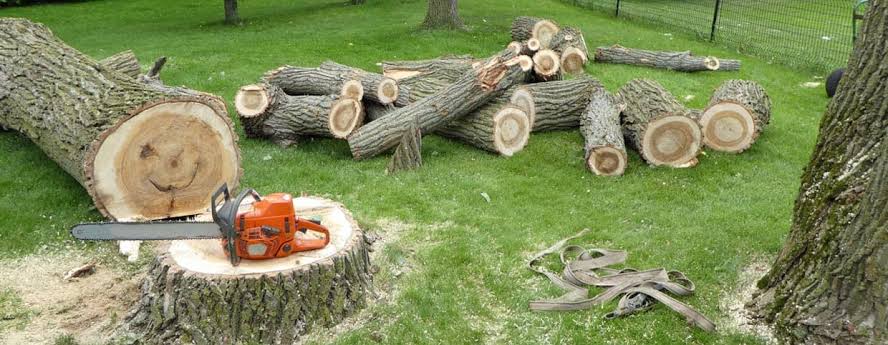
Careful sequencing is central to good practice. Large trees are often dismantled from the top downwards, with branches lowered on ropes and controlled to the ground. The trunk is then cut into manageable sections, each supported and released in a predictable way. Stump removal, grinding and waste disposal should be included in the plan, so that the site is left safe and tidy.
Weather conditions also influence safety. High winds, heavy rain, ice and poor visibility all increase the chance of accidents, and a responsible contractor will reschedule rather than work under unsafe conditions.
Protecting Yourself as the Client
Your own actions can make a significant difference. Before hiring anyone, obtain at least two or three written quotations so that you can compare the scope of work, not just the price. A very low quote may indicate that corners will be cut, that insurance is absent, or that additional charges will arrive later. Make sure the agreed work, the disposal of waste and the clearance of the site are all written down.
Keep children and pets away from the work area during the job, and avoid attempting to help with cutting or moving material. If you notice a worker taking shortcuts, such as operating without safety equipment or ignoring exclusion zones, ask them to stop and raise the matter with the business owner.
After the work is complete, check that the site has been left in the agreed condition and that any paperwork, including waste transfer documentation where relevant, has been provided.
A Sensible Investment in Safety
Tree removal is not a task to undertake lightly, and the cheapest option is rarely the safest. A qualified professional will charge for training, equipment, insurance and experience, but those costs reflect the real risks involved. Spending a little more to employ someone who is properly equipped and insured protects you from far greater expenses should an accident occur.
Whether you are dealing with a storm-damaged tree, a species that has become a hazard or simply a tree that no longer suits your garden, taking time to research your options will lead to a better outcome. Look for transparency, clear communication and a demonstrable commitment to safe working practices. Those qualities, more than any sales pitch, are the best indicators of a contractor you can trust with a job that carries real consequences.
Get in Touch:
JD Tree Services Wrexham – Arborist and Tree Surgeons
Unit 1 D, Alyn Industrial Estate, Cefn-y-bedd, Gwersyllt, Wrexham LL12 9YG, United Kingdom
01978 467024
tree-surgeons-wrexham.co.uk
JD Tree Services Chester – Arborist and Tree Surgeons
West Business Park, Chantry Court, Sovereign Way, Chester CH1 4QN, United Kingdom
01244 455863
tree-surgeons-chester.co.uk