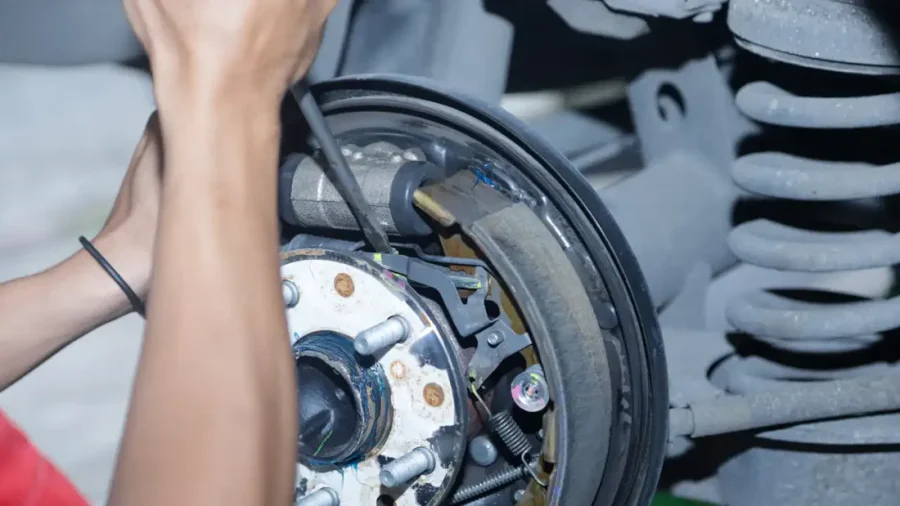
Your vehicle’s braking system is one of the most important parts in terms of safety. Stopping securely and reliably is strongly related to how well your braking discs and pads work. If you want your brakes to work as well as possible and keep you safe on the road, you need to know how to pick the correct discs and pads for your car.
To stop your modern vehicle safely, the brake pads and discs work together to create friction. The complex mechanism transforms kinetic energy into heat energy; the brake pads and discs take the hardest hit during this process. Because this function is so important, there are a lot of elements to think about while choosing the right components, such as your driving style, the vehicle’s specs, and the weather.
The Materials and Construction of Brake Discs: A Comprehensive Overview
The performance properties of brake discs are greatly influenced by their material composition. Because of its long lifespan and great heat dissipation capabilities, cast iron is still the material of choice for most standard brake discs. In terms of value for money and dependable performance in everyday driving circumstances, these conventional brake disc and pad combinations are hard to beat.
Because of their lightweight construction and excellent heat management, carbon composite brake discs are ideal for high-performance vehicles. Despite the higher price tag, these high-quality brake disc and pad systems provide superior stopping power and fade resistance, even in extreme situations. Cars with carbon brake discs have better handling and less unsprung weight because of how light they are.
Brembo brake discs with vents allow air to circulate and dissipate heat more effectively. This layout is ideal for vehicles that go through steep inclines or undergo harsh braking often. Even after long periods of usage, ventilated brake discs and pads maintain consistent braking performance because to their increased thermal management capabilities.
The Choice of Material for Brake Pads
Your braking discs and pads system’s overall performance characteristics are heavily impacted by the material you choose for the pads. Discs endure less wear and noise when using organic brake pads made of non-metallic materials. For everyday highway use, these pads are ideal since they provide a pleasant pedal feel and perform admirably.
The addition of metal fibres to the formula of semi-metallic brake pads increases their longevity and heat tolerance. The combination of these braking discs and pads works wonderfully in heavy to moderate use, and the friction characteristics remain consistent across a large temperature range. They are well-suited for cars that frequently encounter stop-and-go traffic or moderate performance driving due to their greater thermal capacity.
When it comes to brake pad technology, ceramic pads are at the top of the line. If you’re a driver looking for the best performance from your brake discs and pads, these are a great choice because they control heat better and produce less dust. Even though they usually cost more up front, ceramic pads last far longer and make much less noise.
Issues Related to Driving Style
When choosing the best brake discs and pads for your car, your driving style is the most important factor. When it comes to mild suburban driving and commuting, regular organic brake discs and pads work wonderfully for gentle drivers. With these configurations, you have good stopping power, great value, and silent operation.
An improved system of braking discs and pads is a must-have for drivers who are passionate about their vehicles, like to drive aggressively, or who often face difficult terrain. The increased heat capacity required for tough driving conditions is provided by vented discs in conjunction with semi-metallic or ceramic pad materials. Even when the system is subjected to high temperatures, this combination guarantees consistent braking performance.
Brake discs and pads made for high-stress applications are essential for commercial vehicle owners or those who frequently pull heavy loads. Heavy-duty braking systems are designed to withstand the greater demands of loaded driving conditions with their strong structure and enhanced thermal capacity.
Needs for Individual Vehicles
In order to maximise performance and safety, various vehicle types require brake discs and pads with distinct qualities. In an effort to keep costs down and maximise efficiency, compact cars often use smaller brake systems. These uses are perfect for the tried-and-true combination of brake discs and pads, which also reliably stops the vehicle for regular road use.
Brake discs and pads designed for high-performance vehicles must be able to withstand higher temperatures while yet delivering exceptional stopping power. Increased disc diameters, air-permeable designs, and high-performance pad compounds with stable friction properties even in the most demanding environments are commonplace in these types of applications.
Brake disc and pad systems seen in luxury automobiles are known to be quite advanced, with an emphasis on both performance and comfort. As part of the luxury driving experience, these systems typically include noise-dampening technologies and smooth engagement features.
The Role of the Environment and the Climate
Your driving circumstances have a major influence on the performance and lifespan of your braking discs and pads. Brake discs and pads with increased corrosion resistance are necessary for vehicles driven in coastal regions or places that experience extensive winter salt consumption. Accelerated wear due to corrosive surroundings can be mitigated with the use of specially prepared discs and protective coatings.
Because of the long durations of braking that are necessary on steep descents, brake discs and pads face special obstacles when driving in mountains. When applied to sustained braking, ventilated discs with improved cooling capacities and high-temperature brake pads guarantee dependable performance.
The wear and tear on braking discs and pads is different when travelling on highways and in urban areas with heavy traffic. Brake pad compositions that reduce noise and dust while maintaining consistent performance across a wide temperature range are ideal for city driving, where temperatures are constantly rising and falling.
Precautions for Upkeep and Durability
The lifespan of brake discs and pads can be greatly increased with regular maintenance, which also guarantees that they work at their best throughout that time. If you test your brakes on a regular basis, you can catch wear patterns and other problems before they reduce their efficacy. The wear characteristics of your braking discs and pads might assist you determine how often to have them serviced.
There are usually visual or auditory wear indications on high-quality brake disc and pad systems that let drivers know when it’s time to replace them. These alerts make sure that worn brake materials never threaten safety and that other braking components don’t get damaged either.
How long a braking system lasts is dependent on the materials used for the discs and pads. When brake discs and pads are a good fit, they wear at the same rates, which extends the life of the parts and keeps them performing at their best.
Professional Considerations and Installation
If you want your brake discs and pads installed properly, you may rest assured that they will work safely. Appropriate torque specifications, bedding processes, and system operation verification are all part of proper installation procedures. Following these essential procedures will guarantee that your new brake pads and discs work as intended while still meeting safety requirements.
When you bed in new brake discs and pads, you create the ideal frictional surfaces and contact areas. Preventing premature wear and irregular contact patterns—which could reduce braking effectiveness—and optimising performance are both achieved through this critical technique.
Purchasing high-quality brake discs and pads is a smart move for the security and efficiency of your car. Although quality components may come with a larger price tag up front, they more than make up for it in the long run with improved durability, performance, and safety features.
A number of criteria, such as your driving style, the vehicle’s characteristics, the weather, and your performance needs, must be carefully considered when choosing the brake discs and pads for your vehicle. You may improve safety and driving pleasure while maintaining dependable stopping power for years to come by understanding these elements and how they affect brake system function.