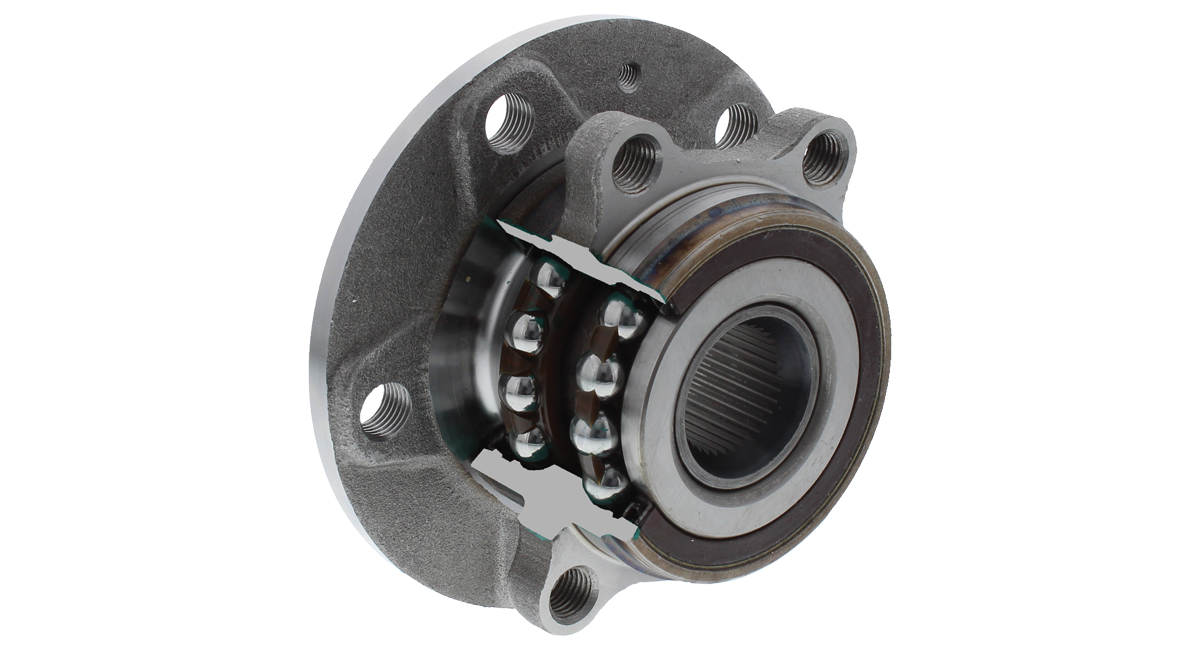
Wheel bearings are maintenance-free components however, it doesn’t mean they’ll last for ever. What exactly does an actual wheel bearing perform? How long will it last? What can you do to prolong its life?
What is a bearing? And what is it doing in an automobile?
Wheel bearings are an essential element of the wheel which connects the wheel to the axle. It’s a set comprising steel balls (ball bearings) or tapers (tapered bearings) which are held together by a ring of metal. This allows the wheel to spin without a lot of friction. An Alko wheel bearing are crucial safety components designed to endure the axial and radial loads caused by acceleration, gravitational and cornering forces and therefore, they must replace when they fail to work correctly.
How long will the life of a wheel bearing?
Wheel bearings are able to last an average life span of 136,000-160,000 kilometers (approximately 85,000-100,000 miles). This is merely a guideline, however the actual lifespan of the wheel bearing will depend on the condition that the bearing is made of as well as how it is operated.
Why do wheel bearings fail?
The primary reasons why wheel bearings fail is:
Incorrect installation or the use of tools, such as the hammer or the impact wrench could result in damage to the outside or the interior of the wheel’s end bearing, causing that the bearing in question to break early. Re-using old components like nuts, bolts and circlips, split pins and seals ,… instead of replacing them with new ones could result in the wheel’s end bearing to run in unsafe or abnormal circumstances, which can increase the wear of the wheel’s end bearing and the possibility of a car accident.
Road damage from impacts or poor quality – any impact from driving over potholes and speed bumps or hitting curbstones can harm a bearing on a wheel and shorten its lifespan.
A poor quality wheel bearing A wheel bearing is under a lot of pressure. Wheel bearings made of poor quality materials may have inadequate heat treatment which can lead to premature wear and eventual failure.
Driving conditions such as deep mud or water can cause the wheel bearings to fail. Mud, water or other pollutants like road salt or dust can be able to pass through seals and get into the bearing, contaminating the grease and causing wear to the bearings.
Car modifications such as fitting larger or larger rims, tires that have lower thread walls, and stiffer shock absorbers, and suspension springs can cause greater loads on the wheel bearings and may cause wear to increase. Keep tires, rims, shock springs and shock absorbers that are specifically specified by the manufacturer of your car to limit the effect on the lifespan that the bearings on your wheel last.
What are the signs of a damaged wheel bearing?
The signs of a damaged wheel bearings are:
Noise:
A rumbling, humming, or growling sound that gets louder when you accelerate or the vehicle is turned.
A constant, loud whining or grinding sound that occurs while the vehicle is moving.
Noises of clunkiness when driving on rough road surfaces.
Unpredictability, excessive play on the wheel (vague steering);
The steering wheel’s vibration is influenced by the speed of the vehicle or as the vehicle spins;
ABS malfunctioning. ABS system issues could be due to a failure or malfunction of the ABS sensor that is embedded into the wheel’s end bearing.
What are the dangers of driving with worn wheel bearings?
It’s not common that wheel bearings fail instantly and completely once you first notice the symptom(s).
But it’s important to steer clear of driving on an old wheel bearing for any period of time. As we’ve seen before that this wheel bearing will be crucial for connecting your vehicle’s wheels to your vehicle and any weakness in this connection could result in serious consequences for your drive axle and steering system and also to ensure your safety.
Removing the wheel bearings
Even though contemporary wheel bearings have become simpler to install than older models proper installation, use of the right tools, and observing the stipulated torque specifications are essential to ensure the best performance, durability , and security. We recommend that you have your Alko wheel bearing replaced by a qualified mechanic who is skilled and has the tools needed to perform the task.

How Immigration Lawyers in Spain Support Your Visa Application
Working with immigration lawyers in Spain can help you understand which residence or visa route may fit your circumstances, prepare...