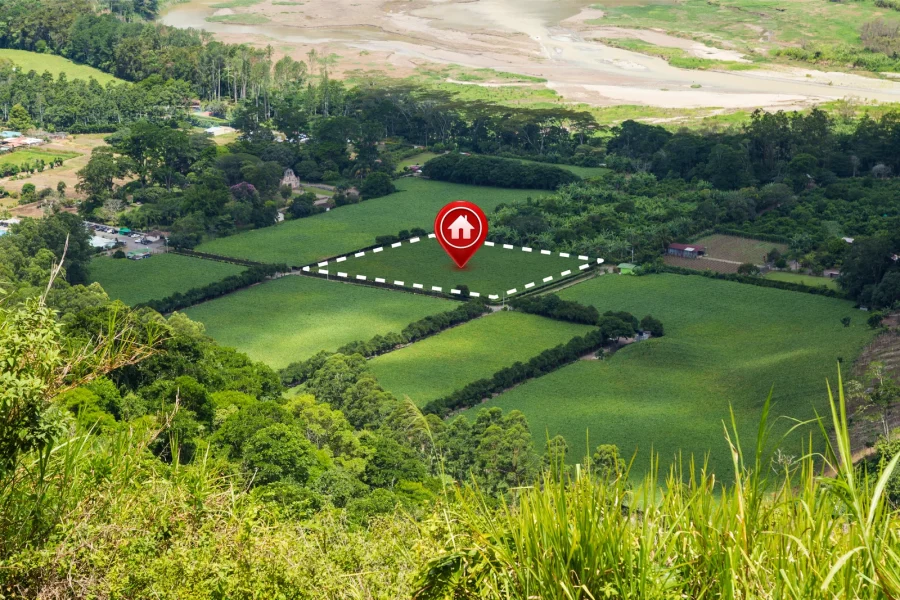
More landowners are selling their land so that it can be developed, and planners, locals, and anyone looking at the countryside are becoming more familiar with the reasons for this. For many owners, the choice is no longer a far-off idea or a hypothetical possibility. It’s a practical answer to mounting pressures like taxes, upkeep costs, uncertain farm returns, changing family situations, and the constant need for homes and work space. “Sell land for development” used to be a controversial term that was whispered behind closed doors of real estate offices. Now, it’s talked about openly, carefully negotiated, and, in many cases, welcomed as a way to get ahead financially.
The main idea behind the trend is that the balance between taking care of land and making money from it is changing. In the past, landlords made money by farming, logging, grazing, renting out their land, or running businesses on their land. These returns, on the other hand, can change based on things like weather patterns, the prices of goods, the cost of energy, and the supply of labour. Keeping the land healthy over the long term still requires constant investment, even when farming is going pretty well. Even when the economy is bad, repairs are still made to access tracks, boundaries, drainage, fencing, and utility connections. When costs stay the same and income is hard to predict, selling can start to look less like giving up and more like protecting the future.
Many landowners see the phrase “sell land for development” as a chance to make money. Land that is hard to get to or not used enough can be turned into an asset with a better value and a faster financial payoff through development. While farming income may come in seasons and over time, a sale can give you a lump sum that can help you retire, pay off bills, fix things up somewhere else, or cover the costs of moving your family. In real life, land is not just land; it comes with responsibilities. If those duties get too much, the thought of a development sale can help.
Getting ready for taxes is another big reason. A lot of landowners are updating their financial plans, especially when it comes to property. Agricultural land relief and other types of relief may change over time, and there may be a lot of complicated rules about who can get them. For some people, keeping their qualifying status can take a lot of work, even when reliefs are still available. Families that thought they would keep land for the next generation may now decide that “sell land for development” is a better option because of the costs of keeping the land and the doubt about how taxes will change in the future.
Things that happen in the family also change the picture. As holdings are split up among heirs, some estates are getting smaller, leaving more scattered pieces that are hard to manage well. Others are just older and don’t have many younger relatives who are ready or able to take care of rural land for a long time. If a landowner doesn’t leave a clear will, the land may become a problem instead of an inheritance. When this happens, sell land for development can be the way to turn a difficult asset into a settlement that everyone can handle. This lowers the risk of family arguments and lets owners keep control through a carefully thought-out deal.
Another factor is the need for homes and infrastructure that is built on land. People will always need homes, and job land is still important to local businesses. Landowners can see how the results of planning can change the look of their areas. It may be more likely that developers and their advisors will be interested in a plot or area if it is close to transportation, services, or established communities. Although deciding to sell land doesn’t mean that the plan will work, the very thought of it changes the way an owner thinks about their finances. Landowners may look into whether they can “sell land for development” now, subject to planning conditions, options, or phased deals, if they think that getting permission in the future could be worth something.
This leads to the next reason, which is the importance of professional advice and a high level of valuation skill. Landowners may now know more about how to promote their land, how to write options deals, and how to match the market value of their land with their chances of getting planning permission. Many owners find that selling their business outright isn’t the only way to do it. In some situations, they can “sell land for development” through organised agreements that let them make money if the plans come together. This lowers the risk of just selling land without getting what they wanted. Because of this, negotiations about development may be more appealing than running land for small returns, which can be risky and take a long time.
The rising costs of keeping land in use can also be a deciding factor. It’s possible for landowners to spend a lot of money on their land even if it is useful. Fuel, machinery, maintenance, insurance, and rules and regulations put a lot of stress on farm businesses and land-based activities. Environmental duties can add more paperwork, like keeping records, managing buffers, thinking about habitat, and caring for the environment. Each of these things stands for both time and money. When it gets harder to justify the cost of compliance and maintenance, the landowner starts to think about whether it’s better to “sell land for development” or keep investing money that rarely pays off.
It’s a simple fact that land priced mainly for farming or recreational use is often not as profitable as land priced for development. The development value of land shows how it could be used to build homes, community centres, or businesses. There may be a big difference between the current use value and the end-use value. This difference is what makes landlords think about whether they should “sell land for development” when an offer takes into account both the present and the possible future. For many owners, growth is the best and most useful thing to do when their crops can’t compete on price.
How markets work is also important. When there is a lot of interest in developing land, there is more competition between people who want to buy land with the chance of getting permission. That competition can lead to better offers and better negotiating situations for landowners, especially when there aren’t many parcels available in the right place. Over time, more owners hear about deals that have already been done nearby, which changes how risky things seem. When neighbours “sell land for development” and the deal seems to end with fair payment and manageable results, other people are more likely to think about doing the same.
But it would be wrong to say that economics are the only reason why people decide to “sell land for development.” Some landowners want to make sure that it is used and kept in a way that shows what they believe in. A landowner might think that development, if done right, can make community services better, create jobs, or provide long-term stewardship in a more sustainable way than letting people use the land without any rules. Some people may have already put money into infrastructure and see development as a reasonable next step rather than a sudden change. “Sell land for development” is seen as more than just a way to get out of debt; it’s also seen as a controlled way to make things better.
Politics and pressure from the community can also come into play. In places where it’s hard for young people to buy homes, where services are stretched thin, and where jobs are hard to come by, the local debate may get heated. There may be pressure on landowners in either case. Some are pushed to do so by local governments and other groups that see housing as important. Others are being warned by people who live nearby who are worried about traffic, the capacity of infrastructure, or changes to the natural look of the area. Landowners often think about these things when they decide to “sell land for development.” These things affect what conditions they are willing to accept, how they deal with local concerns, and whether they want mitigation measures to be included in the deal.
Landowners know that waiting can be dangerous as well. It’s possible for people who own land to lose interest in raising the price of it before the “right” time comes. Local policies and planning frameworks can change, and the political climate around housing can have an effect on the results. The longer an owner waits, the more doubt can build up. “Sell land for development” can be a way for some people to get money before outside factors make development less possible or less appealing.
Also, the way people think about land is changing more and more. For many years, land was mostly seen as a heritage asset that should be protected at all costs. That way of thinking is changing as landowners think about their retirement needs, the hopes of future generations, and the realities of living in the country. Landowners today may know more about money or have had more opportunities to talk to experts about values, capital returns, and risk management. “Sell land for development” can then be seen as a normal way to make money instead of something strange or frowned upon.
People are better able to understand the process itself. Landowners may know that sales for building projects can happen in stages, not all at once. It is possible to give the owner options, order feasibility studies, and make planning applications with their best interests in mind. The structured nature of negotiations can make things less unpredictable, even when the result is unknown. So, more landowners are ready to “sell land for development” if they think they can keep an eye on progress, protect their own interests, and stay on track with a planning route. This is better than giving up land that isn’t clear.
Emotional and moral issues should not be ignored, of course. Land is linked to who we are. It can hold memories, graves, and crafts made by generations. If you turn fields into streets, the owner of the land might feel like they’ve lost something. That feeling can go along with logical thinking. Many landowners don’t want to “sell land for development,” but they do so because they believe they can honour the land through responsible development, fair compensation that recognises their input, and agreements that support community benefits. When people make the smartest choices, they usually take into account that land is more than just an object; it’s also a landscape with meaning.
At the end of the day, the rising trend to “sell land for development” is caused by economic pressure, changes in population, planning incentives, and the realities of modern land management. Some owners want stability and peace of mind for the future. Others are reacting to changes in the tax and inheritance laws. A lot of people are just realising that the old way of making money from land doesn’t work as well as it used to. At the same time, communities are still pushing for more homes and better infrastructure, which makes the idea of development more clear.
That being said, it’s not likely that more landowners will think about “selling land for development.” What will matter is how fairness, community involvement, and the quality of the results are when those choices are made. It’s important for everyone involved to make sure that development respects the land, meets local needs, and gives owners a clear way to make decisions that are good for the community and the bottom line.