Fence rails are among the most overlooked parts of a garden boundary, yet they are the element that literally holds a fence together. For homeowners and tradespeople alike, getting the rails right solves a long list of everyday problems: bowed panels, rattling fence boards and premature failure where panels meet the post.
Most garden fencing projects are driven by simple, concrete needs — privacy, security, tidiness and low fuss maintenance. Choosing the right rails addresses those needs economically: the correct section, material and fixing method keeps panels straight, resists wind and weather, and makes future repairs straightforward.
Rail selection sits at the intersection of design and practicality. Timber rails remain the most common choice because they are easy to cut on site, pair neatly with traditional fence boards and are widely available in pressure-treated options for outdoor use. Composite rails and metal alternatives exist for specialist designs, but for typical domestic boundaries timber combines cost-efficiency with versatility.
Practical pairings matter. A robust set of rails works best when combined with suitable posts and a protective ground detail such as a gravel board; together they prevent direct soil contact and reduce rot at the base of the fence. When these components are chosen to match — in profile, size and preservative treatment — the whole installation lasts longer and requires fewer mid-life repairs.
Before you buy, consider how the fence will be used and what daily routines it must stand up to. A dog-friendly garden, for example, benefits from lower rails set more closely together to prevent jumping or squeezing; a boundary exposed to prevailing winds will need heavier rails and tighter fixings. Thinking through these simple scenarios helps you choose rails that solve real, everyday challenges rather than creating new ones.
If you prefer to assemble all the parts from a single supplier to ensure compatibility and save time sourcing, looking for suitable fence rails alongside matching posts and gravel boards is a practical first step.
Why Fence Rails Matter More Than They Seem
Rails transfer loads between posts and boards, so their strength and placement determine how a fence behaves. A panel with undersized or badly fixed rails will sag, gaps will appear, and the face battens or palings will lose alignment. In contrast, correctly chosen rails provide leverage against wind, a secure fixing for boards and a consistent profile that helps successive panels sit level along a run.
Beyond strength, rails set the aesthetic rhythm of a fence. The depth and finish of the rails influence shadow lines, the panel’s perceived thickness and how the fence integrates with gates and other hard landscaping. For landscape designers and homeowners who want a tidy, cohesive appearance, rails are a small technical choice that has an outsized visual effect.
Material Choices: Timber, Composite and Concrete Pairings
Timber rails are typically pressure-treated (tanalised) to resist rot and insect attack; this treatment makes them a sensible option for exterior fences where contact with moisture is unavoidable. C24-graded structural timber is commonly used for load-bearing elements in nearby construction; for fencing, look for sawn, preservative-treated sections specified for external use.
Composite rails are increasingly chosen where low maintenance is a priority. They offer consistent straightness and resist splitting, which is useful for contemporary designs or where painting is not desired. Metal rails, such as galvanised steel, are strong and long-lasting but suit a different look and are best specified with corrosion-resistant fixings.
Concrete is rarely used for rails themselves but plays an important supporting role: concrete posts and gravel boards can dramatically reduce the ground contact of timber rails and boards, extending the serviceable life of the timber elements. Where longevity with minimal upkeep is required, combining timber rails with concrete ground components is a pragmatic compromise.
Sizing, Configuration and Practical Rules of Thumb
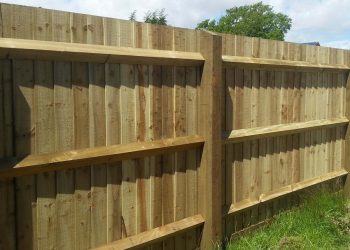
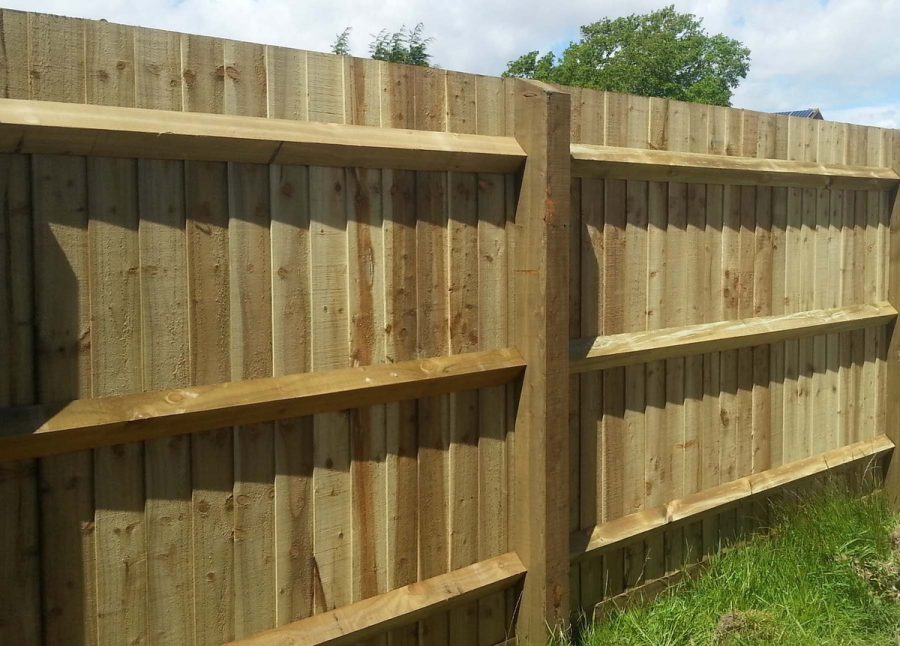
Choosing the right rail size depends on panel height, expected loads and the spacing of posts. Domestic fence rails commonly come in rectangular sections that provide a good balance of stiffness and ease of handling. For most standard domestic panels, two or three rails are used: low panels often have two rails (top and bottom), while taller 1.8–2.0 metre panels typically incorporate a middle rail for added rigidity.
How Many Rails Will Yours Need?
If you are replacing individual panels, match the existing number of rails where possible — this keeps the load distribution consistent and avoids unnecessary trimming. For new builds, plan rails according to panel height and exposure: a 6 ft (approximately 1.8 m) panel frequently benefits from three rails, while 3–4 ft panels usually manage well with two.
Fixings and Fastenings
Correct fixings are as important as the rail profile. Use corrosion-resistant screws or nails designed for exterior use; countersinking and sealing exposed end grain reduces moisture ingress. When attaching boards to rails, place fixings through the board into the rail at a slight angle where necessary to avoid splitting and ensure a tight, vibration-resistant connection.
Installation Considerations for Everyday Gardens
Practical installation starts with setting posts square and to the right depth; rails depend on that initial geometry. Allow for gravel boards or sleepers if you want to keep timber clear of the ground. When rails are cut on site, mark and cut accurately — a slight misalignment across a run will compound and become visually obvious.
For repairs, replace damaged rails without removing whole panels where possible. A single new rail fixed to the existing posts can restore strength and keep costs down. For larger jobs, consider replacing the lower rails or adding gravel boards to prevent repeat damage where the fence meets soil or gravel.
Sourcing Rails and Why a Local Timber Merchant Helps
Buying rails and complementary components from a single local supplier simplifies matching preservative treatments, sizes and profiles. Suppliers that stock posts, rails, gravel boards, panels and fixings together make it easier to build a coherent bill of materials and reduce the risk of incompatible parts arriving on site. For trade customers and DIY enthusiasts alike, this convenience saves time and minimises waste.
Express Timber & Wood Ltd is an example of a regional merchant that supplies a broad range of timber and fencing materials and offers delivery across the East Midlands. Selecting a merchant with both trade and retail experience helps when you need particular profiles or volumes, and many local suppliers will advise on common configurations and compatible products.
Care and Upkeep That Keeps Rails Doing Their Job
Routine attention prevents small issues becoming large ones. Periodic checks for loose fixings, split rails and rot at end grains allow timely intervention; resealing exposed cuts and applying a suitable preservative or finish to new rails reduces moisture uptake. Where painted finishes are chosen, keep the painted surface in good order and address any exposed bare timber promptly.
Where minimal maintenance is a priority, consider composite rails or the protective combination of timber rails with concrete posts and gravel boards — these pairings reduce maintenance rounds while preserving the look and warmth of natural wood where it matters most.
Practical Choices Lead to Fewer Future Problems
Fence rails are a practical solution to everyday garden challenges: they keep fences upright, protect panels from wind and enable tidy, repairable installations. Spending a little time on the right material, section and compatible components pays dividends in longevity and performance, and working with a local timber merchant streamlines decisions and sourcing.
Whether you are repairing a single panel, fitting a new run of fencing or advising a client, treat rails as a foundational element — a modest investment in the correct type and layout will reduce headaches and deliver a boundary that looks right and works well for years.