London is one of the great architectural cities of the world. From the medieval complexity of the City’s historic core to the soaring glass towers of Canary Wharf, from the Georgian elegance of Bloomsbury and Marylebone to the boldly contemporary developments reshaping the South Bank, Battersea, and the Olympic Park, the capital’s built environment is a layered, constantly evolving expression of architectural ambition that spans centuries of design thinking and construction innovation. Glass has become one of the defining materials of contemporary London architecture — not merely as a practical component that admits light and separates interior from exterior, but as a primary architectural medium through which form, character, transparency, and visual drama are achieved. For developers, architects, and contractors working on projects in the capital, the sourcing and specification of architectural glass London demands the involvement of genuine experts whose technical knowledge, fabrication capability, and understanding of the capital’s specific architectural and regulatory context is equal to the demands of the projects they serve.
The Evolution of Glass as an Architectural Material
To appreciate why expertise in architectural glass London matters so profoundly, it is useful to understand how dramatically the role of glass in architecture has evolved and how technically sophisticated the material has become as a result of that evolution. For most of architectural history, glass was a relatively passive component — a transparent infill material that occupied openings in load-bearing walls, admitted light, and provided weather protection, but that played no primary structural or expressive role in the building’s design. The constraints of early glass manufacturing technology limited both the size of individual panes and the optical quality of the material, and these limitations shaped architectural conventions that persisted for centuries.
The technological transformation of glass manufacturing over the past fifty years has dismantled these constraints almost entirely, creating a material of extraordinary versatility and performance capability that now plays a central role in the most ambitious and most innovative architecture being built anywhere in the world. Float glass, toughened glass, laminated glass, insulated glass units, structurally bonded glazing systems, electrochromic smart glass, and the full range of coated and treated glass products available to contemporary specifiers represent a material landscape of remarkable complexity — one in which the correct specification for any given application requires detailed knowledge of performance characteristics, fabrication capabilities, and the interaction between glass and the structural systems that support it.
The Specific Demands of the London Context
Architectural glass London projects face a specific set of demands that distinguish them from equivalent work in other locations and that make specialist expertise particularly important. London’s dense urban environment, its complex planning and heritage framework, its stringent energy performance requirements, and the logistical challenges of delivering and installing large glass elements in a congested city all create a project context that rewards specialist experience and knowledge in ways that are immediately apparent to anyone who has attempted to navigate these challenges without it.
Planning and conservation considerations are particularly significant in London, where a large proportion of the capital’s built fabric is listed, within conservation areas, or subject to planning policies that impose specific requirements on the materials, profiles, and appearance of new glazing. Specifying architectural glass London solutions for heritage or conservation contexts requires an understanding of both the technical properties of the glass products available and the planning framework within which proposals will be assessed — knowing which glass types, frame profiles, and installation approaches are likely to receive consent and which will face objection, and how to develop specifications that achieve both the design intent and the planning approval that makes the project possible.
The energy performance requirements that apply to new and refurbished buildings in London — shaped by the Building Regulations, the London Plan, and the energy policies of individual boroughs — impose demanding standards on the thermal and solar performance of glazing that require careful specification and verification. The glass unit specification — its U-value, its solar heat gain coefficient, its light transmission, and the interaction between these properties — must be calibrated to achieve compliance while supporting the design intent of the project, and this calibration requires the kind of technical expertise in glass performance that only specialist advisers and fabricators possess.
Structural Glazing and the Engineering Expertise It Demands
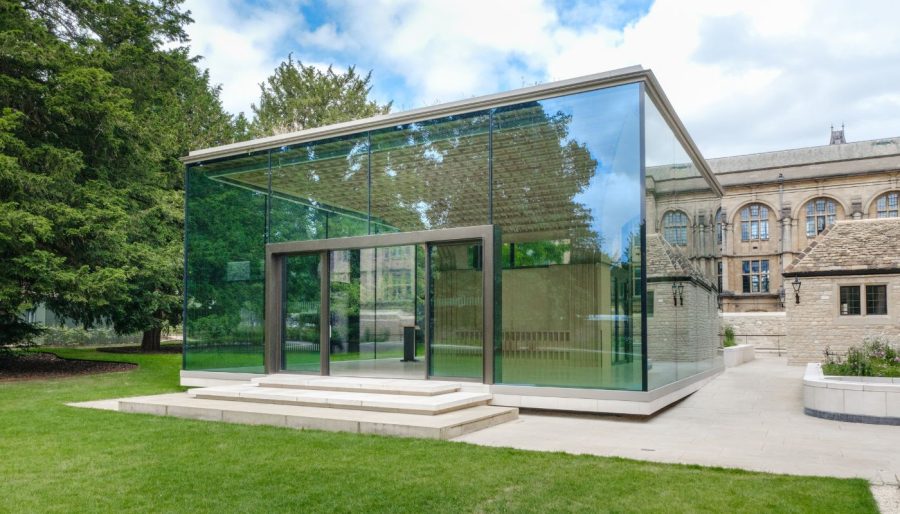
The most visually dramatic applications of architectural glass London — the all-glass facades, the point-fixed curtain wall systems, the structural glass floors and balustrades, the frameless glass enclosures that characterise the most ambitious contemporary projects — all require a level of structural engineering expertise in glass that goes well beyond what conventional construction expertise encompasses. Glass, for all its visual lightness and transparency, is a structural material that must be engineered with precision when it is asked to carry loads, resist wind pressure, accommodate thermal movement, and satisfy the safety requirements that building regulations impose.
Structural glass design requires the application of glass engineering principles that account for the brittle fracture behaviour of glass, the statistical nature of its strength, the load distribution characteristics of different support systems, and the post-breakage performance requirements that determine whether a failed glass element remains in place or falls. Specialist structural glass engineers bring these disciplines to the design process, working alongside architects and contractors to develop glass specifications and support systems that are both visually appropriate and structurally safe — achieving the minimalist, transparent aesthetic that structural glazing is chosen for without compromising on the engineering rigour that the safety of occupants demands.
Bespoke Fabrication and the Quality of the Finished Product
The specification of architectural glass London for complex or demanding applications frequently requires bespoke fabrication — the production of glass elements to specific sizes, shapes, compositions, or performance characteristics that standard off-the-shelf products cannot provide. Curved glass, which is increasingly used in both contemporary new build and restoration contexts, requires specialist hot or cold bending processes that are not universally available and that must be specified in close collaboration with fabricators who understand what is technically achievable and at what cost. Extra-large glass panels, which make a dramatic visual statement in facade and interior applications, require specialist handling, transport, and installation equipment as well as careful structural analysis to ensure that the panels can be safely supported and that the loads they impose can be accommodated by the surrounding structure.
The quality of fabrication — the accuracy of cut sizes, the consistency of edge work, the quality of the coating or laminate applied, and the precision of the drilling or notching where point fixings are required — directly affects both the visual quality of the installed glazing and its long-term performance. Specialist architectural glass London fabricators who maintain rigorous quality management systems and who work to the tolerances that demanding architectural applications require deliver a finished product that is visually superior and structurally reliable in ways that lesser fabricators cannot consistently achieve.
Installation: Where Technical Excellence Meets Practical Delivery
The most perfectly specified and fabricated glass elements will not achieve their design potential if the installation is not carried out with equal expertise and care. The installation of architectural glass — particularly at scale, at height, and in the complex logistical environment of a London construction site — requires specialist skills, specialist equipment, and the project management capability to coordinate a glass installation programme with the many other trades and activities that characterise a busy construction project.
Glazing contractors with genuine expertise in architectural glass London installation understand the specific challenges of working in the capital — the access restrictions, the pedestrian management requirements, the noise and working hour limitations, and the coordination demands of complex multi-trade programmes. They bring the lifting equipment, the vacuum handling systems, the temporary support structures, and the specialist sealant and fixing systems that large-scale glazing installation requires, and they manage the sequence and logistics of the installation programme with the precision that complex glazing systems demand.
The quality of the installation — the accuracy of alignment, the consistency of joint widths, the integrity of the weathersealing, and the visual perfection of the finished facade — is the ultimate determinant of whether an architectural glass scheme achieves the design vision that motivated it. Expert architectural glass London installers bring the skills and the commitment to quality that this critical final stage demands.
The Value of a Fully Integrated Specialist Service
For developers and architects working on London projects that incorporate significant architectural glass elements, the most efficient and most quality-assured approach is to engage a specialist who can provide integrated expertise across the full scope of the work — from initial specification advice and performance analysis through fabrication and supply to final installation and handover. This integrated approach eliminates the interface risks that arise when specification, fabrication, and installation are managed by separate parties, ensures that technical decisions made at the specification stage are correctly translated into the fabricated and installed product, and provides a single point of accountability for the quality and performance of the glazing across every stage of the project.
The capital’s architectural ambitions deserve the full capability and commitment of genuine specialists in architectural glass London, whose expertise, technical knowledge, and dedication to quality make the difference between glazing that merely functions and glazing that truly transforms.
Get in Touch:
PAR Glass London LTD
9 Johnsons Way, London NW10 7PF
020 8998 9901
parglass.co.uk