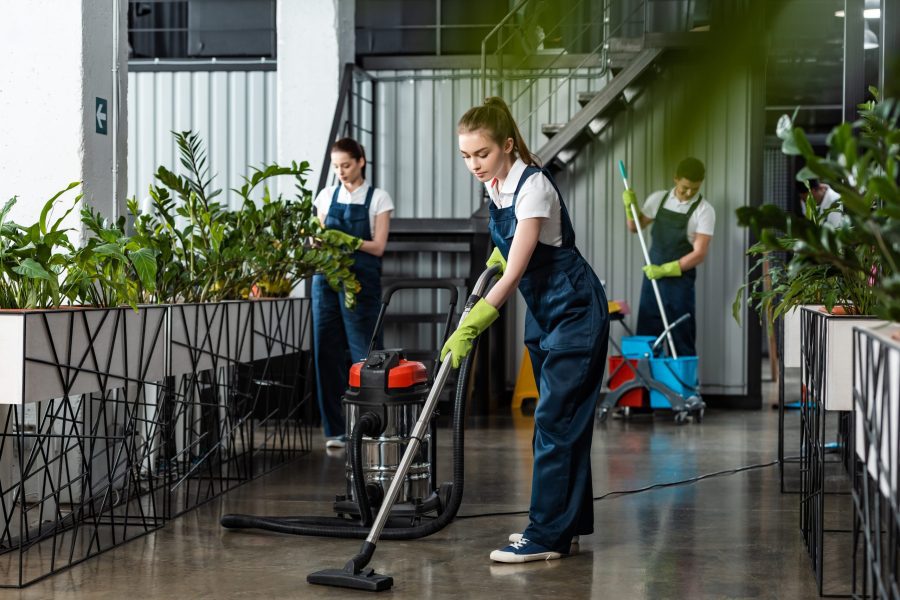
In today’s fast-paced business environment, maintaining a clean and organised workplace is paramount for ensuring employee productivity and satisfaction. An uncluttered space not only fosters a positive ambiance but also contributes to the overall wellbeing of staff, reducing illnesses and enhancing morale. However, managing cleaning schedules, tasks, and resources efficiently can be daunting, especially for larger organisations. This is where cleaning management software plays a transformative role, streamlining operations and revolutionising the way businesses approach cleanliness.
Cleaning management software is a digital solution designed to facilitate and enhance the management of cleaning operations within various facilities, be it office spaces, healthcare establishments, educational institutions, or any other type of business that requires cleanliness. The fundamental benefit of this software lies in its ability to centralise cleaning tasks and operations, providing a cohesive platform from which managers can efficiently oversee their cleaning teams and resources.
One of the primary functions of cleaning management software is scheduling. Traditional methods of scheduling often rely on manual processes that can be tedious and prone to errors. With cleaning management software, businesses can automate task assignments, ensuring that specific areas receive the necessary attention based on pre-set schedules. This automation removes the strain of managing multiple cleaning requests and allows for immediate reallocation of resources in case of unexpected changes, thus ensuring that the cleanliness of the facility is maintained consistently.
Moreover, cleaning management software often comes equipped with features that enable cleaning teams to log their activities in real-time. This means that staff can check off completed tasks digitally, providing managers with immediate insights into cleaning operations. Through such transparency, businesses can hold team members accountable for their responsibilities. This is particularly valuable in ensuring that no tasks fall through the cracks, ultimately leading to a cleaner, more organised environment.
An essential aspect of maintaining cleanliness is also tracking hygiene and ensuring that cleaning standards are met, especially in industries that require stringent regulations. For example, in healthcare settings, the importance of adhering to cleanliness standards cannot be overstated. Cleaning management software often integrates checklists and inspection features that allow managers to perform audits and inspections more effectively. By conducting regular assessments, organisations can identify areas that need improvement and address potential compliance issues before they escalate.
In addition to scheduling and auditing, the reporting capabilities of cleaning management software provide another layer of value. Data analytics can be harnessed to gauge the efficiency of cleaning operations over time. Businesses can track key performance indicators, such as the average time taken to clean a specific area or the frequency of cleaning done in each section of the facility. These insights allow managers to optimise their cleaning practices and reallocate resources more effectively, ensuring that critical areas receive the attention they warrant while improving overall efficiency.
Cost management is another crucial aspect of any business operation, and cleaning management software significantly contributes to controlling cleaning costs. By allowing managers to estimate labour costs for specific cleaning tasks and track the usage of materials, businesses can optimise their cleaning budgets. This not only ensures that operational expenditures remain in check but also empowers businesses to make informed decisions about staffing and resource allocation, ultimately contributing to better financial management.
Moreover, the integration of inventory management within cleaning management software can enhance operational efficiency. Tracking the usage of cleaning supplies ensures that managers are aware of stock levels and can reorder materials in time, preventing any downtime due to lack of supplies. This control over inventory helps streamline cleaning operations and reduces wastage of resources.
In fostering communication and collaboration among cleaning teams, cleaning management software also emerges as an essential tool. In larger setups with multiple cleaning crews, effective communication can often be challenging. However, through integrated messaging systems or shared task boards, team members can communicate essential information quickly and efficiently. Whether it’s updating a colleague on a special task or reporting maintenance issues, such seamless communication ensures that all personnel are on the same page, leading to a more organised and cohesive cleaning strategy.
The flexibility of cleaning management software is noteworthy, as many platforms can be customised to suit the unique needs of each business. Regardless of the size of the operation, companies can adapt the software to reflect their specific cleaning needs, schedules, and tasks. Whether it’s adjusting cleaning frequencies or setting specific task priorities, this level of customisation ensures that the software becomes a tailored solution that aligns with organisational goals.
Furthermore, the user-friendly interfaces of many cleaning management software platforms facilitate easier adoption by cleaning staff and management alike. With intuitive designs and easy navigation, training staff to utilise these systems can often be completed quickly. Increased engagement and confidence in using the software can contribute to overall efficiency in cleaning operations, thereby enhancing workplace cleanliness.
As businesses become more environmentally conscious, cleaning management software also plays a crucial role in promoting sustainable cleaning practices. Many software solutions provide tools to track eco-friendly cleaning products and methods, encouraging organisations to adopt sustainable practices. By monitoring the materials used and helping to eliminate the unnecessary use of harsh chemicals, businesses can lessen their environmental impact while maintaining a high standard of cleanliness.
Another compelling advantage is the ability of cleaning management software to support compliance with health and safety regulations. Particularly in light of recent global health crises, having a robust cleaning and maintenance protocol is vital. Software that offers built-in compliance tools helps businesses document their cleaning procedures, ensuring that they meet industry standards and can provide proof of their diligence in maintaining hygiene. When audits or inspections occur, having all necessary documentation readily available can streamline processes and enhance a company’s reputation.
In evaluating the need for cleaning management software, businesses must also consider its scalability. As companies grow or adapt to new challenges, such as changes in staffing or the expansion of physical spaces, the software can effortlessly scale alongside the business. This adaptability ensures that cleaning operations continue to run smoothly regardless of shifts in operational demands.
Additionally, cloud-based cleaning management software solutions have gained popularity for their accessibility and convenience. Available from virtually any device, managers can monitor cleaning operations and access data in real-time, whether in the office or on-site. The mobility offered by cloud solutions ensures that no matter the location of staff or management, overseeing cleaning operations remains seamless and efficient.
In summary, cleaning management software presents a multifaceted approach to enhancing business operations by seamlessly managing cleaning tasks, improving communication, and ensuring compliance with cleanliness standards. As the realm of business increasingly values cleanliness not just as a necessity but as a contributor to staff wellbeing and productivity, investing in innovative solutions like cleaning management software becomes essential. As organisations strive for efficiency, sustainability, and transparency in their operations, such software proves itself as an invaluable asset, ultimately leading to a cleaner and more productive work environment.