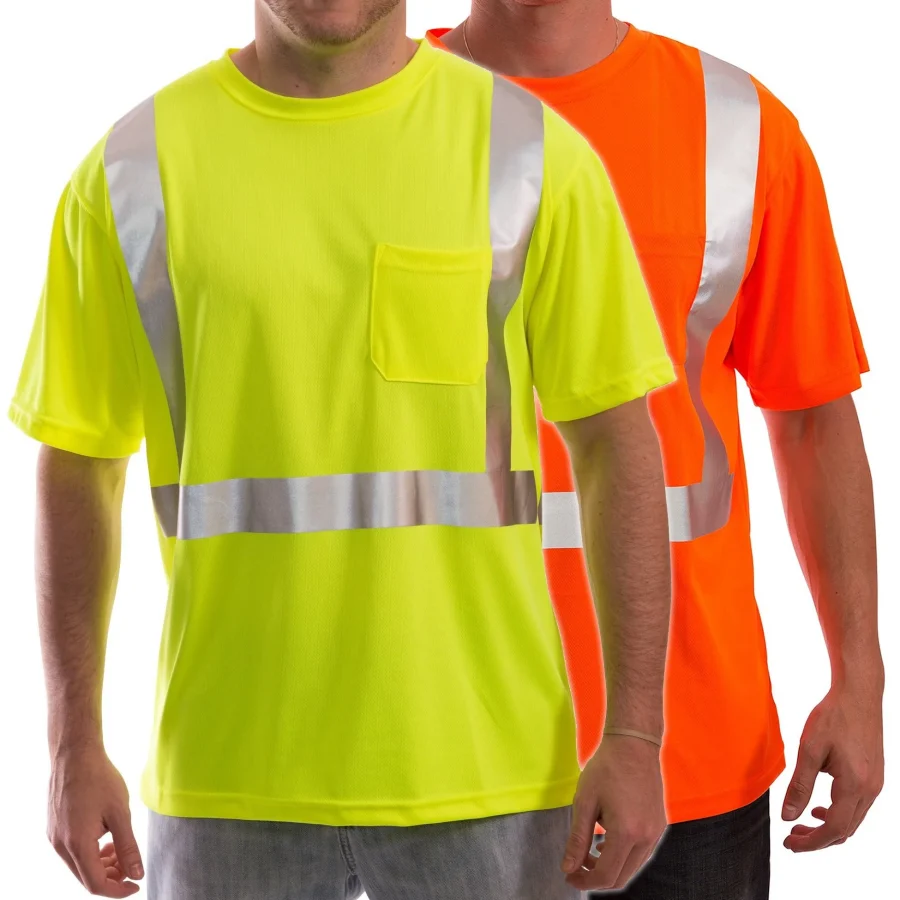
Workplace safety goes beyond written rules; it requires ensuring that everyone is visible, understood, and safeguarded in actual conditions. Visibility plays a crucial role, as many workplace hazards intensify when individuals are hard to see. Identifying risks from reversing vehicles, moving plant equipment, shared routes with cyclists and pedestrians, or workers in dimly lit areas is crucial. Being visible at the appropriate distance and time can help avoid incidents. Many workplaces address these needs with hi-visibility clothing, which encompasses various garment types. Hi visibility t-shirts are a practical choice, particularly when ventilation and comfort are important, but they aren’t the only option available. The aim is to choose the right hi-visibility safetywear for the specific hazards, shift conditions, and job tasks, and to manage it effectively to ensure it performs when needed most.
Workplace safety starts with recognising your risks. A proper approach begins with a risk assessment that evaluates work locations, traffic route arrangements, lighting types, typical weather conditions, and worker mobility speed. For instance, a warehouse yard at dusk needs a much more robust visibility approach compared to a well-lit office corridor. Visibility requirements can vary across different zones on the same site, including loading areas, internal walkways, plant rooms, and outdoor pedestrian cut-throughs. The effectiveness of high visibility clothing relies on the garment type and how well the wearer’s clothing aligns with various conditions: viewing distance, vehicle speed, reflective surfaces, and factors like glare, shadow, rain, or dust. Choosing high visibility t-shirts is not a universal solution; it needs to match the specific hazard.
After establishing the risk assessment, it serves as the foundation for defining expectations. Workers must be aware of the required clothing type for each area and task, while supervisors should be prepared to explain the reasons behind these requirements. This is important because safetywear works best when it is used consistently, correctly, and for the entire shift. If a worker needs to change garments due to temperature or work method, the system must maintain visibility. Different options of hi vis clothing are beneficial, as not every job requires the same garment cut. Hi visibility t shirts are perfect for warm conditions or tasks where layering isn’t practical. However, if the risk environment requires greater coverage, a jacket may be more suitable. Matching garment choice to risk ensures that visibility protection is genuine, not just assumed.
Hi visibility t-shirts are popular for their comfort, breathability, and practicality in everyday wear. In various workplaces, they serve roles like site marshals, foot delivery drivers, maintenance staff for short tasks, or personnel directing vehicles in controlled zones. The focus is to guarantee they continue to fulfil the site’s visibility requirements. When selecting high visibility t-shirts, assess their coverage for clear visibility from various angles, check for reflective features suitable for nighttime or low light, and ensure the materials maintain stability after regular use and washing. A high visibility t-shirt that is faded, damaged, or stretched will not perform effectively. Garment management is just as crucial as garment selection.
While high visibility t-shirts are effective in many scenarios, workplace safety may necessitate different high visibility clothing options. Hi visibility waistcoats are often chosen, especially for indoor environments or controlled situations where workers may already have other protective gear on. A waistcoat offers convenience as it allows for free upper-body movement and can be layered easily. For roles requiring radios, PPE attachments, or hand-held tools, a waistcoat facilitates easy access to items. In outdoor settings requiring full-body coverage, high-visibility jackets offer enhanced environmental protection and consistent visibility. Jackets cover the torso and sleeves, which is crucial since arm positions and movements affect visibility. Sleeve coverage and consistent reflective placement can significantly impact job tasks that involve frequent movement, reaching, or turning.
Hi visibility polo shirts and long-sleeved hi vis tops are often utilised, particularly when daily visibility is essential, while also providing sun protection or additional coverage for job tasks. High-visibility long-sleeved clothing can minimise exposed skin areas that may be visible but lack proper reflectivity. They can offer a uniform look even as weather conditions shift from sunny to cloudy. In cold settings or tasks requiring additional warmth, layering is the effective solution. The goal is to keep the outer garment’s visibility intact, ensuring that insulation layers do not dominate the visual appearance. A high-visibility t-shirt worn beneath another garment can be appropriate in certain situations, but the outer layer must maintain the visibility of the required reflective elements. If the outer layer is overly dark, excessively padded, or does not have reflective properties, the benefits can be significantly diminished.
Another key choice is high-visibility coveralls or work suits for settings where workers require complete protection and coverage. Coveralls are beneficial for outdoor tasks where wind, dust, or minor contamination can render individual clothing items unwieldy. They offer a consistent visibility solution for the entire body, which is advantageous for roles that require hands-on tasks near moving machinery. In areas with higher contamination risk, coveralls can enhance hygiene practices by serving as a single visible safety layer. Coveralls should be chosen with attention to comfort and mobility. A tight or poorly designed garment can decrease compliance, which in turn compromises workplace safety.
Specialised hi vis clothing exists to enhance risk management. Some workplaces mandate high-visibility clothing that features elements to enhance stability in wet conditions or improve visibility in dark, enclosed, or industrial environments. The design intent remains consistent, regardless of specific product names. Visibility is attained using bright background colours and reflective materials that respond to light sources. In industrial zones, reflective elements are crucial as they enhance visibility for workers when illuminated by vehicle headlights or other lighting. If the site operates both day and night, the garment must function effectively in both conditions. A high visibility t-shirt is effective in daylight, but it must also meet low-light visibility requirements as outlined in the risk assessment and internal safety standards.
Selecting the right hi vis clothing goes beyond just colour and reflective elements. Fit is essential. Clothing that shifts, slips beneath hi vis vests, or obscures reflective areas will diminish visibility. Sleeves rolled excessively, improperly tucked garments, or unfastened jackets can result in uneven coverage. For comfort, workers should be able to move freely, but the garment should stay in the correct position throughout the shift. This is where a consistent approach is beneficial. For instance, if high visibility t-shirts are supplied and used as the necessary top layer, there should be explicit instructions on whether they should be worn beneath other garments or if an outer jacket is mandatory. Supervisors must monitor compliance while fostering a supportive environment, ensuring workers can perform their tasks safely.
Another factor is maintenance. Safetywear is only effective when it remains in good condition. Regularly inspect for damage, fading, fraying, or worn reflective strips as part of practical maintenance. Cleaning matters too. Over-aggressive washing, using incorrect temperatures, or repeated harsh treatments can degrade materials. If hi visibility t shirts are washed frequently, they must be cared for according to internal procedures so they maintain their intended visibility performance. A straightforward system for cleaning and replacing minimises the urge to continue using garments that are no longer effective. Workplace safety should view hi vis clothing as an essential asset rather than a throwaway item. The optimal strategy involves planning replacement cycles and ensuring that replacements are accessible before the garments become unsafe.
Training enhances clothing choices. Workers should understand the purpose of hi vis clothing, what hazards it addresses, and the limits of what visibility can and cannot do. Hi visibility clothing does not eliminate the necessity for safe work systems, including designated pedestrian routes, barriers, vehicle segregation, speed management, and clear communication. It serves as a crucial layer of protection during unexpected movements when these controls are implemented. Training should include proper wear guidelines: for example, ensuring hi-visibility t-shirts are fully fastened, keeping reflective features clear of PPE or tools, and addressing procedures for torn or damaged garments. The more workers comprehend, the more inclined they are to maintain their hi visibility t-shirts in good condition and wear them regularly.
It is also important to consider environmental and operational conditions. In rain or drizzle, bright colours may seem duller, and wet surfaces along with dirt can affect reflectiveness. If the worksite is dusty, reflective surfaces may become coated, diminishing their ability to reflect vehicle light. Therefore, a workplace should implement cleaning schedules or inspection routines that reflect the actual conditions, particularly for frequently used hi-visibility t-shirts. Similarly, if the workplace is a construction site with constant changes, the visibility plan needs to adjust. Temporary routes, altered plant movements, and varying ground levels can influence people’s positions and visibility. If the risk assessment changes, the hi vis strategy should also change.
Along with clothing, think about how the broader environment enhances visibility. Even the best high-visibility t-shirts may be ineffective if workers are positioned in blind spots or unmarked areas. Workplace safety benefits from coordination: clear signage, defined pedestrian walkways, adequate lighting when possible, and supervision that promotes proper positioning. For a site needing staff as marshals, their attire must be complemented by safe hand signals, communication systems, and a clear procedure for managing vehicle movements. Visibility clothing complements these measures by aiding in the identification of responsible individuals and confirming their location during critical moments.
Compliance and communication between shifts are important. Various teams might begin their tasks in distinct areas, at varying times, and occasionally with differing expectations. If high visibility t-shirts are part of the uniform, ensure all staff are informed about when to wear them and if outer garments are necessary. Night shift workers may depend heavily on reflective features, making the maintenance of consistent garment standards crucial. A workplace must ensure new starters receive the appropriate clothing and that contractors are aware of the expectations. When contractors are involved, the same principles hold: safe visibility is required based on the work conditions. If work is done by groups with varying responsibilities, the consistent logic must align with risk.
Collecting practical feedback over time enhances the system. Workers frequently identify hazards and are aware of when individuals are out of sight. If someone consistently mentions that high visibility t-shirts ride up and reveal reflective areas, you can modify the fit or alter the garment style. If workers find hi visibility t shirts too warm for certain tasks, alternatives like polo shirts, ventilated tops, or lighter hi visibility jackets could be safer and more suitable. Clothing choices that enhance everyday practicality bolster safety. The goal is to ensure workers wear the necessary hi vis clothing while making compliance easy and manageable.
Ensure accountability. Workplace safety with hi-vis clothing is effective when responsibilities are well-defined. Supervisors and managers must ensure compliance, while workers should be encouraged to report issues, request replacements, and alert when environmental conditions shift. If a hi-visibility t-shirt fades or gets damaged, it should be replaced immediately. If vehicle movement in an area has increased, the visibility plan needs to be reassessed. In practice, this involves viewing visibility as an ongoing control instead of a one-time purchasing choice. By consistently matching the appropriate garment type to the risk environment, ensuring proper wear, maintaining the clothing, and integrating visibility with safe work systems, you foster a workplace culture where individuals can perform their tasks while being seen, understood, and protected.
Ensuring workplace safety relies on practical, risk-based decisions, and high-visibility clothing is a direct method to minimise the risk of individuals being unnoticed. Hi visibility t-shirts can be comfortable and effective for various roles, especially where breathability is important, but they require careful selection and maintenance. Hi visibility t-shirts, waistcoats, jackets, long-sleeved tops, coveralls, and other options offer essential coverage and reflectivity for various hazards and conditions. When every clothing choice is made for fit, functionality, and durability, and workplace procedures ensure consistent use, visibility transforms into a dependable safety layer rather than just a superficial requirement.