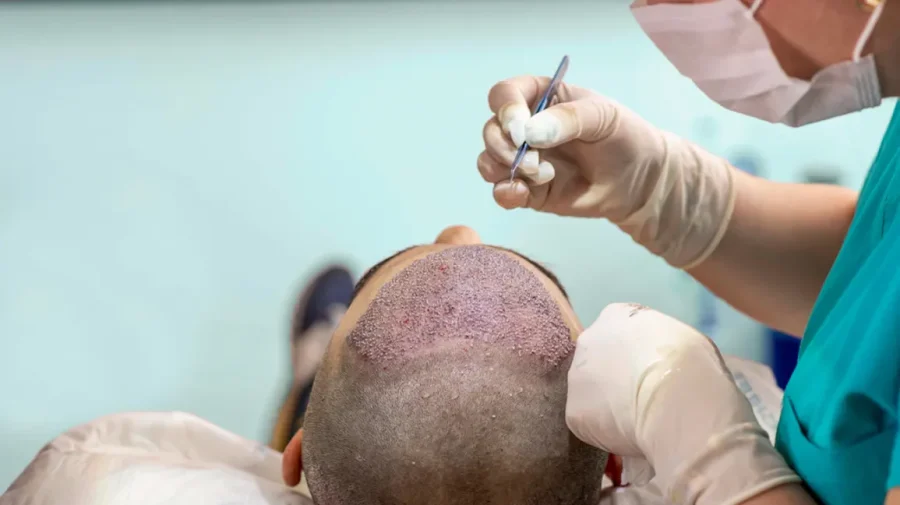
Harley Street has been an important part of British medicine for a long time. This quiet row of Georgian townhouses in central London’s Marylebone district has been linked to top-notch medical care, privacy, and new ideas for more than one hundred years. The Harley Street hair transplant has become one of the most well-known and respected services there. Patients come from all over the world looking for more than just a procedure; they want an experience based on confidence, precision, and tradition.
How Harley Street Began as a Medical Center
To understand how the Harley Street hair transplant got to be so well-known, it helps to know how the street became a medical hub in the first place. In the 18th century, Harley Street was built as part of the Portland Estate. It was originally meant to be stylish housing for the rich. Because it was close to the city, had wide sidewalks, and beautiful townhouses, it quickly became popular with successful professionals. For example, doctors started using the first floors of their homes as private consulting rooms.
By the middle of the 1800s, the street was a well-known address for all kinds of doctors, surgeons, and experts. Part of the reasons for this focus were practical. London was growing quickly, and wealthy patients wanted to be able to easily see trusted doctors without having to go to hospitals, which at the time were often linked to poverty and illness instead of private care. Harley Street was an alternative that was private and comfortable, and as more doctors moved their offices there, the area’s reputation started to grow in a way that made it stronger on its own. People went to Harley Street to find the best doctors, and doctors went there because that’s where the patients were.
This concentration of experts set the stage for hundreds of years of specialisation in medicine, and it is this same foundation that made the Harley Street hair transplant possible in the end. As surgical methods got better in the 20th century, the street’s clinics expanded beyond general medicine to include dermatology, cosmetic and reconstructive surgery, and hair restoration practices that became more specialised.
The Growth of Hair Restoration as a Medical Field
People have been losing their hair for a very long time, but it wasn’t until the middle of the 20th century that hair transplantation became recognised as a real medical field, not just a cosmetic interest. In the early days, methods that were mostly created in Japan and later improved in the US involved transplanting small plugs of scalp that contained many hair follicles. Even though these methods were new and different at the time, they often led to strange, tufted results that made it easy to tell that they were surgical.
In the 1990s, follicular unit transplantation and later follicular unit extraction made hair restoration surgery possible. This is when the results started to look really natural. Because of these improvements, the field went from being a niche procedure to a popular choice for men and women who are losing their hair, and the medical establishment in London quickly took notice. Because there are already a lot of good surgeons in the city, Harley Street was a reasonable choice to be the home of this new speciality in Britain.
How Harley Street Became Linked to Hair Transplantation
The Harley Street hair transplant became the standard by which other clinics across the country were judged for a number of reasons. The first was just being close to experts. London hair restoration surgeons wanted to be close to dermatologists, anaesthetists, plastic surgeons, and other experts who could help them with problems or offer extra information. Harley Street was the clear choice because it already had a network of medical professionals who worked together.
The second reason was the credibility of the regulators and professionals. Because Harley Street had a reputation for strict medical standards for a long time, clinics that were located there had a tacit guarantee of quality. Patients who were looking into where to get a hair transplant naturally gravitated toward the address because they thought it was safe, professional, and responsible, even before they compared different practitioners.
The third reason was Harley Street’s culture of always coming up with new ideas. Since a lot of specialists worked together, methods and ideas spread quickly. Surgeons who are trying to improve follicular extraction, graft survival rates, or scar minimisation could watch and learn from surgeons who work just next door. The Harley Street hair transplant changed faster because of this clustering effect. It helped British techniques keep up with, and sometimes even beat, international standards.
The Harley Street Hair Transplant’s Reputation Around the World
As it became easier to travel around the world in the late 20th century onwards, people from Europe, the Middle East, North America, and other places started making special trips to London to get hair restoration procedures done. The term “Harley Street hair transplant” was used all over the world as a shorthand to refer to a higher level of surgical care than the cheap clinics that were popping up all over the place.
This reputation around the world wasn’t just built on marketing. It showed that real money was being put into surgical training, the use of better extraction and implantation methods, and high standards of patient care that went far beyond the operating table. Consultations, aftercare, and long-term monitoring became important parts of the Harley Street hair transplant experience, setting it apart from places where the procedure is done more like a transaction.
People who lived on the street felt better about themselves because of its historical importance. With a Harley Street hair transplant, there was an unspoken story that connected the procedure to centuries of medical history. Patients weren’t just scheduling a cosmetic treatment; they were joining a long line of doctors who had been providing excellent care since the first ones who set up shop on the street many generations ago.
New technologies and modern ways of doing things
The methods used for hair restoration today are very different from those used even twenty years ago. Harley Street centers have usually been among the first to use new methods. Robotic-assisted extraction, better tools for avoiding follicle damage, and a better understanding of graft placement angles have all led to results that are getting harder to tell apart from normal hair growth patterns.
The Harley Street hair transplant has kept its good name by investing in and using new technology. This is true even though competition from other clinics in the US and abroad has grown. Most surgeons who work on the street know that keeping their reputation requires more than just a long history; it also requires clear clinical results, honesty about method, and real surgical skill.
Along with changes in technology, there have also been changes in how people talk about and understand hair restoration. Hair transplantation used to be a very private and embarrassing subject, but these days people are much less closed off about it. As a result, this change in culture has raised the status of the Harley Street hair transplant. Patients are now more likely to study, talk about, and choose where to get treatment based on its real clinical reputation rather than just its privacy.
A Legacy That Will Last
In many ways, the story of the Harley Street hair transplant is a continuation of the story of Harley Street itself. Harley Street went from being a stylish place to live in Georgian style to being one of the most trusted places in the world to get medical care. What started out as general doctors giving advice from their front rooms has grown into a global center of excellence for hair replacement surgery through waves of specialisation and new ideas.
As techniques get better and patients’ standards keep going up, Harley Street is likely to stay at the top of hair transplantation for many years to come. Its long-lasting reputation isn’t based on a single doctor or clinic, but on the history, professionalism, and constant innovation that have made the street what it is for more than two hundred years. For people who are thinking about getting treatment, the phrase “Harley Street hair transplant” still stands for something that is becoming more and more rare in modern medicine: a name that has become famous through real, long-term excellence rather than marketing alone.