Phuket, Thailand’s largest island, is renowned for its stunning beaches, vibrant nightlife, and rich cultural experiences. Among its many attractions, Phuket elephant parks have become increasingly popular destinations for tourists seeking to interact with these majestic creatures. However, as awareness of animal welfare issues has grown, so too has the evolution of these parks. This article aims to provide a comprehensive overview of what visitors can expect when visiting a Phuket elephant park, encompassing both the experiences offered and the ethical considerations involved.
When planning a visit to a Phuket elephant park, it’s essential to understand that not all parks are created equal. In recent years, there has been a significant shift towards more ethical and sustainable elephant tourism practices. Many Phuket elephant parks now prioritize the well-being of their elephants, moving away from traditional entertainment-focused activities towards more natural and respectful interactions.
Upon arriving at a reputable Phuket elephant park, visitors can expect to be greeted by knowledgeable staff who are passionate about elephant conservation. Many parks begin with an educational session, where guests learn about the history of elephants in Thailand, their biology, behavior, and the challenges they face in the wild. This educational component is crucial, as it sets the tone for the visit and helps visitors understand the importance of ethical elephant tourism.
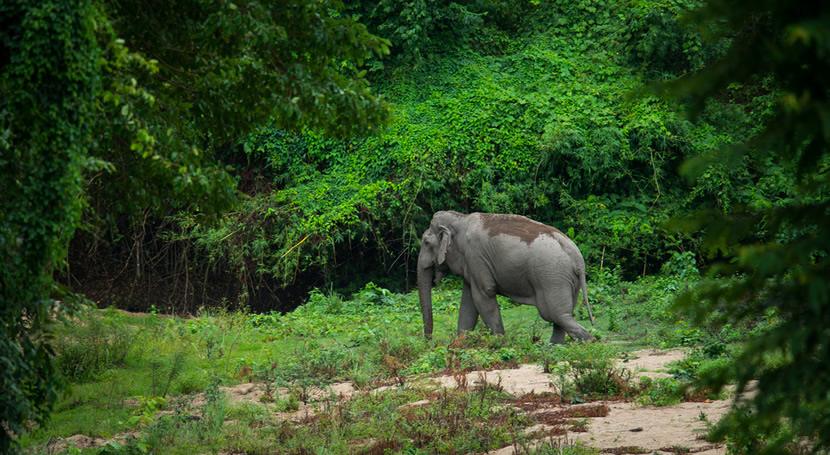
One of the primary activities offered at many Phuket elephant parks is observing elephants in a natural or semi-natural habitat. Visitors can expect to see elephants roaming freely in spacious enclosures, often designed to mimic their natural environment. These areas typically include features such as mud baths, water holes, and plenty of vegetation for foraging. Watching elephants engage in natural behaviors like bathing, playing, and socializing can be a profoundly moving experience for many visitors.
Feeding experiences are another common offering at Phuket elephant parks. However, the nature of these experiences has evolved. Instead of hand-feeding elephants for entertainment, many parks now incorporate feeding as part of their educational programs. Visitors might be invited to prepare food for the elephants, learning about their dietary needs and the importance of proper nutrition. The actual feeding is often done by scattering food in the elephants’ enclosure, allowing them to forage naturally rather than perform for treats.
Walking alongside elephants is an activity that has replaced elephant riding in many Phuket elephant parks. This experience allows visitors to observe elephants up close as they move through their habitat. Guides typically accompany these walks, providing information about elephant behavior and answering questions. It’s important to note that physical contact with the elephants is usually limited to ensure the animals’ comfort and safety.
Many Phuket elephant parks have incorporated bathing experiences into their programs. However, the nature of these experiences has changed significantly. Instead of tourists directly bathing elephants, visitors might observe the elephants’ natural bathing behaviors from a safe distance. Some parks allow visitors to assist in preparing mud baths or spraying water for the elephants, always under the supervision of experienced handlers.
Conservation efforts are a key component of many Phuket elephant parks. Visitors can expect to learn about ongoing research, rescue operations, and rehabilitation programs. Some parks offer behind-the-scenes tours of their veterinary facilities, allowing guests to understand the complexities of elephant care. These experiences can be particularly inspiring for visitors interested in wildlife conservation.
Photography opportunities are abundant at Phuket elephant parks, but visitors should be prepared for a different kind of photo experience. Rather than posed shots with restrained elephants, guests can capture images of elephants in more natural settings. Many parks offer photography workshops or guided sessions to help visitors capture the best shots while respecting the elephants’ space and behavior.
Volunteering programs are offered by some Phuket elephant parks, allowing visitors to engage more deeply with elephant care and conservation. These programs can range from a few hours to several days and might include activities such as preparing food, maintaining enclosures, or assisting with data collection for research projects. It’s important to note that direct contact with elephants in these programs is typically limited to ensure safety and minimize stress on the animals.
Visitors to Phuket elephant parks should be prepared for a more authentic and less glamorous experience than they might have expected. Elephants are large, sometimes muddy animals, and their environment reflects this. Comfortable, closed-toe shoes and clothes that can get dirty are recommended. Many parks provide amenities like changing rooms and showers for guests’ comfort.
The ethical considerations surrounding elephant tourism are an integral part of the experience at reputable Phuket elephant parks. Visitors can expect to engage in discussions about the challenges facing elephants in Thailand and the role of tourism in conservation efforts. Many parks are transparent about their practices and welcome questions about their operations and animal welfare policies.
It’s important for visitors to understand that the elephants at Phuket elephant parks are not wild animals. Many have been rescued from logging operations or other forms of exploitation and cannot be released into the wild. The parks serve as sanctuaries, providing these elephants with the best possible quality of life while educating the public about elephant conservation.
While the focus is primarily on elephants, many Phuket elephant parks also house other rescued animals. Visitors might encounter other species such as water buffalo, gibbons, or various birds. These additions help to create a more holistic conservation experience and highlight the interconnectedness of different species in Thailand’s ecosystems.
The staff at Phuket elephant parks play a crucial role in shaping visitors’ experiences. Mahouts, the traditional elephant handlers, often work alongside veterinarians and conservation experts. Visitors can expect to interact with these knowledgeable individuals, learning about their experiences and the unique bonds they form with the elephants under their care.
Many Phuket elephant parks offer additional activities to enhance the visitor experience. These might include Thai cooking classes using locally sourced ingredients, traditional craft workshops, or cultural performances. These activities help to provide a more rounded experience and support local communities.
Sustainability is a key focus for many Phuket elephant parks. Visitors might notice eco-friendly practices such as the use of solar power, water recycling systems, or organic gardening. Some parks produce their own elephant food, reducing their environmental impact and ensuring a high-quality diet for their animals.
The emotional impact of visiting a Phuket elephant park should not be underestimated. Many visitors report feeling profoundly moved by their interactions with these intelligent and emotive creatures. The experience often leads to a deeper appreciation for wildlife conservation and can inspire changes in personal behavior and attitudes towards animal welfare.
It’s worth noting that the COVID-19 pandemic has had a significant impact on Phuket elephant parks. Many have had to adapt their operations to ensure the safety of both visitors and animals. This might include reduced visitor numbers, enhanced cleaning protocols, or changes to certain activities. Visitors should be prepared for potential modifications to the typical experience.
In conclusion, a visit to a Phuket elephant park can be a deeply rewarding and educational experience. Visitors can expect to gain insights into elephant behavior, conservation challenges, and the complex relationship between tourism and wildlife protection. While the nature of these parks has evolved significantly in recent years, the opportunity to observe and learn about these magnificent creatures in a responsible setting remains a highlight of many trips to Phuket.
As the tourism industry continues to evolve, Phuket elephant parks are likely to play an increasingly important role in conservation efforts and public education. By choosing to visit ethical parks and engaging in responsible tourism practices, visitors can contribute to the welfare of elephants and the preservation of Thailand’s rich natural heritage. The experience of visiting a Phuket elephant park is not just about seeing elephants; it’s about understanding our role in protecting these incredible animals and the ecosystems they inhabit.