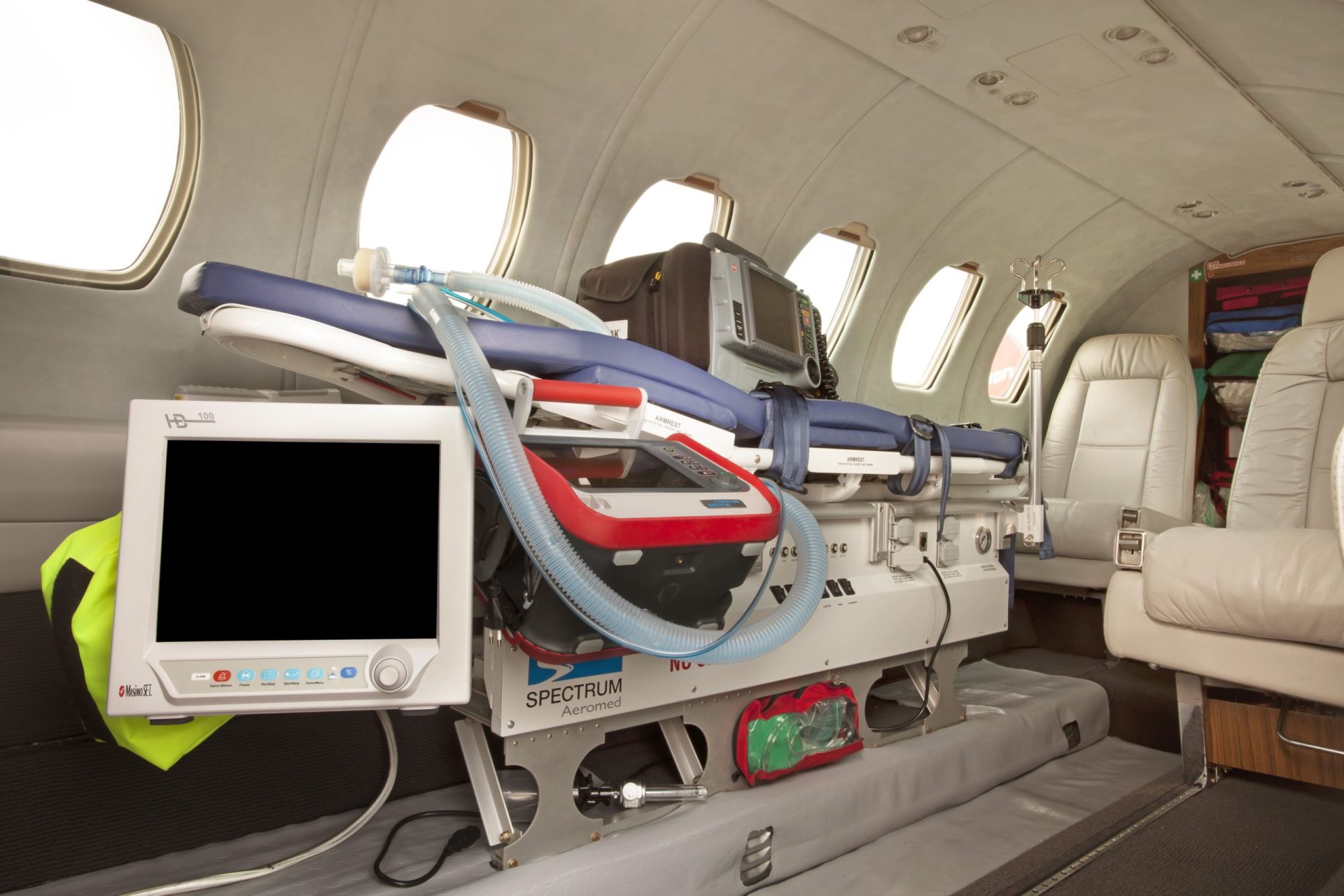
Medical repatriation services that are both dependable and efficient are more important than ever in today’s globally interconnected society, where travelling across borders is both easier and more frequent than ever before. Transporting a patient from one nation to another for the purpose of medical treatment or rehabilitation is known as medical repatriation, medical evacuation, or medevac. If a person gets sick or hurt while travelling, our service will make sure they get the care they need without having to worry about where they will get it. Here we’ll take a look at the main points of medical repatriation services and why they’re so important in case of medical emergency.
Assuring timely access to suitable medical treatment is a key motivation for using medical repatriation services. Many obstacles may stand in the way of a sick or injured traveller getting the medical attention they need while abroad. Diagnoses, treatments, and recoveries can be slowed down by foreign healthcare systems, cultural differences, and language obstacles. To help patients get the specialised care they need, medical repatriation services arrange for their safe and prompt transfer back to their native country. These services can enhance patient outcomes by reducing the likelihood of problems, shortening the time it takes to return home, and so on.
The knowledge and skill that medical repatriation services provide to difficult medical cases is another strong argument in their favour. Experts in international medical emergency management make up the staff of medical repatriation services, which includes physicians, nurses, and logistical experts. By evaluating the patient’s condition, these specialists can decide on the best course of action and organise the whole repatriation procedure. They are well-versed in transportation alternatives, medical protocols, and healthcare systems around the world, enabling them to expertly handle the intricacies of international medical transfers. When families choose a trustworthy medical repatriation service, they can rest easy knowing that their loved one is receiving competent care.
The continuity of care for patients with pre-existing medical issues is greatly enhanced by medical repatriation services. There are a lot of people who travel internationally with long-term health issues that need constant attention, such diabetes, heart disease, or respiratory disorders. These people may need specialised treatment or medications that aren’t easily accessible in their host nation in case of a medical emergency. With the help of medical repatriation services, these patients can be safely and swiftly transported back to their home countries, where they can get the treatment they need and continue with their normal healthcare providers. Patients must have this continuity of care in order to keep themselves healthy and avoid treatment-related problems.
Medical repatriation services not only aid patients and their families medically, but also provide logistical support. When you’re coping with a medical emergency, the complexity of foreign travel can be particularly intimidating. Medical repatriation services handle all the administrative aspects, such as transportation arrangements, obtaining medical equipment and supplies, and customs and immigration tasks. Additionally, they ensure that families are kept informed throughout the repatriation process through continuous communication and updates. All of this help frees up patients and their families to concentrate on the patient’s well-being and speedy recovery, which is of the utmost importance.
Medical repatriation services can reduce financial risks and legal issues, which is a major advantage. Hospitalisation and medical treatment abroad can cost a pretty penny, frequently more than most people’s regular travel insurance covers. It can be financially challenging for patients and their families to go to overseas medical institutions for treatment because some of these clinics require payment in advance or proof of insurance before treatment can begin. In order to ease these financial pressures, medical repatriation services can work with insurance providers, get treatment pre-authorization, and set up direct billing whenever possible. Furthermore, these services can assist in navigating the intricate legal terrain of global healthcare, guaranteeing patients get the treatment they require while reducing the likelihood of legal conflicts or issues.
Those travelling with pre-existing diseases or participating in dangerous activities have an even greater need for medical repatriation assistance. Because of the potential for changes in habit, food, and environment to worsen preexisting diseases, people with medical histories or chronic illnesses may be at a higher risk when travelling abroad. Similarly, thrill seekers who engage in risky pursuits like scuba diving, skiing, or trekking may be at a higher risk of injury. Having medical repatriation services available can be a lifesaver in these situations, guaranteeing that travellers can get the medical treatment they need quickly and safely return to their home country. Medical repatriation services can lessen the burden of foreign travel on these vulnerable groups by providing specialised treatment and knowledge.
Medical repatriation services are becoming more important in a world where everything is uncertain, as the COVID-19 epidemic has shown. Ensuring safe and effective medical transit is of the utmost importance, especially with countries facing different levels of infection rates, healthcare capacity, and travel limitations. In response to these threats, medical repatriation services have strengthened their infection control measures, increased their investment in PPE, and learned to decipher the maze of foreign travel limitations. During this worldwide crisis, medical repatriation services have been an essential lifeline for travellers who have been unable to return home because of medical problems or border closures.
A word of caution: not every medical repatriation service is the same. Finding a trustworthy provider is vital, so be sure to research their history of success, the qualifications of their medical staff, and the resources they have access to on a worldwide scale. Starting with a consultation and evaluation, the top medical repatriation services will be there every step of the way, including during the flight, with transportation and medical treatment. They should also be well-versed in the ins and outs of foreign healthcare systems, customs rules, and insurance standards, so they can deftly handle tricky situations. In the case of a medical emergency while overseas, you and your loved ones can be guaranteed access to top-notch care and support by conducting thorough research and choosing a reliable medical repatriation service.
In conclusion, travellers who get sick or hurt while abroad greatly benefit from medical repatriation services, which guarantee their safety, well-being, and continuity of care. These services may really save lives during emergencies by making sure people get the medical treatment they need quickly, coordinating with experts, and giving thorough logistical support. There will be a greater need for medical repatriation services when international travel recovers from the COVID-19 epidemic. Travellers can begin on their journeys with better peace of mind when they understand the vital role these services serve and choose a reliable provider. When every second matters, medical repatriation services are there to safely return patients, so no one is ever left behind.