In recent years, skincare devotees have been enthusiastic about the efficacy of azelaic acid in addressing a variety of skin issues. This naturally occurring compound has attracted attention for its adaptable benefits, which range from acne to hyperpigmentation. In this article, we will explore the numerous benefits of incorporating azelaic acid 15% into your skincare regimen and the reasons why it is rapidly becoming the preferred choice among dermatologists and beauty experts.
What is Azelaic Acid?
Azelaic acid (AA) is a dicarboxylic acid that is naturally present in whole cereals, including rye, wheat, and barley. Malassezia furfur, a yeast that is present on our epidermis, is also responsible for its production. AA was initially employed as an antifungal medication; however, its potential as a potent skincare constituent was soon recognised by researchers. It is an exceptional complement to any hygiene regimen due to its capacity to combat inflammation, bacteria, and pigmentation.
Advantages of Employing 15% Azelaic Acid:
Decreases the frequency of acne breakouts
The anti-inflammatory properties of AA are one of its most significant advantages, as they aid in the reduction of redness, swelling, and irritation that are commonly associated with acne outbreaks. AA operates delicately, without causing dryness, flakiness, or peeling, in contrast to the harsh chemicals that are frequently encountered in conventional acne treatments such as benzoyl peroxide or salicylic acid. Azelaic acid 15% is an optimal solution for individuals who are experiencing persistent acne issues, as research indicates that it inhibits the proliferation of P. Acnes bacteria.
Diminishes hyperpigmentation and dark spots
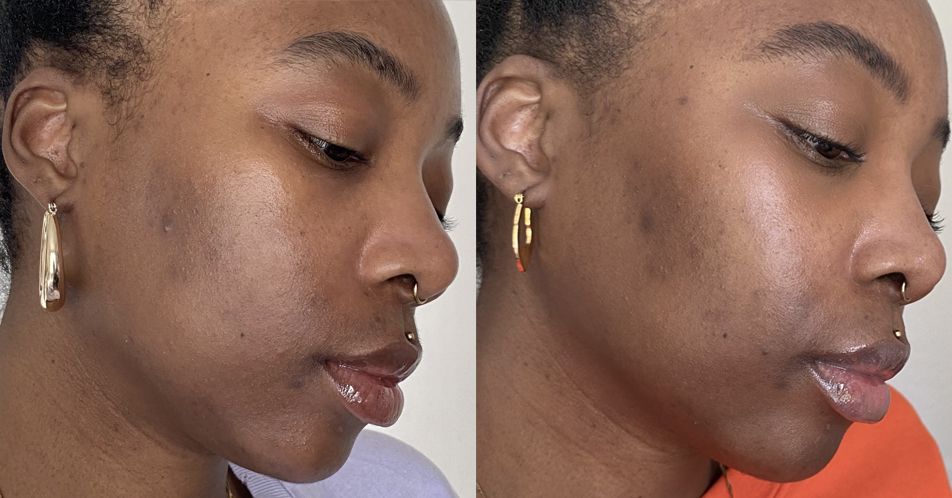
AA functions as a natural depigmenting agent by inhibiting tyrosinase, an enzyme that is responsible for the production of melanin. This simultaneously fades existing dark stains and prevents the formation of new ones. Over time, AA can considerably enhance the clarity and brightness of the overall complexion by decreasing melanin synthesis. It is particularly advantageous for those who are experiencing hormonal hyperpigmentation, age spots, sun damage, or post-acne markings.
Relieves Skin Conditions of Sensitivity
AA offers a gentle yet effective alternative to more aggressive remedies for individuals with sensitive or reactive skin conditions. Inflammation associated with rosacea, dermatitis, psoriasis, and other comparable conditions is mitigated by the acid’s soothing properties. AA fosters long-term healing and restoration by alleviating these chronic skin conditions, as opposed to merely temporarily concealing symptoms.
Reduces the progression of ageing symptoms
The elasticity, firmness, and radiance of our epidermis diminish as we age. The distinctive composition of AA contributes to the preservation of collagen levels, resulting in a smoother, plumper, and firmer skin texture. Collagen is indispensable for the preservation of healthy connective tissues and the prevention of sagging, wrinkled skin. Furthermore, the exfoliating properties of AA encourage cell turnover, which in turn enhances the appearance of youthful skin.
Improves Barrier Functionality
The stratum corneum, the outermost layer of our epidermis, is essential for safeguarding against external factors such as pollution, UV radiation, and allergens. Nevertheless, the skin may become dehydrated and vulnerable as a result of the compromised barrier function that may result from the frequent use of synthetic products. AA enhances the skin’s protective barrier, thereby enhancing moisture retention and hydration levels. As a result, this serves to prevent additional environmental stressors from penetrating the skin’s deepest layers, thereby ensuring its health and integrity.
Side Effects and Recommended Use
To begin with, it is advisable to introduce AA at a lower concentration and progressively increase the dosage. An appropriate initial dose would be approximately 5%, with incremental increases in percentage every few weeks until the desirable concentration is achieved. For the best results, apply AA to your face twice daily after cleansing and toning it, preferable during the nighttime routine when the skin is in a state of self-repair.
Prolonged use of high-potency AA may result in certain adverse effects, despite their rarity. Mild skin irritation, stinging, searing sensations, flaking, or redness are among the symptoms. If you experience any adverse reactions or sensitivity, discontinue use immediately. Before incorporating AA into their skincare regimen, individuals who are expectant, nursing, or undergoing cancer treatment should consult their healthcare providers.
In conclusion,
In general, AA offers a remarkable variety of advantages for a variety of skin conditions, including acne and ageing. AA is a highly versatile ingredient that is suitable for all skin types, including sensitive or reactive skin, due to its gentle character. AA produces substantial enhancements in the luminosity, texture, and tone of the epidermis when it is integrated into routine skincare regimens. We suggest that you incorporate this innovative component into your subsequent product purchase to personally experience its transformative effects.