A vital procedure that enables people to overcome drug misuse and addiction and provide them with the means and support required to heal permanently is drug rehabilitation. This all-encompassing strategy for treating drug addiction calls for a variety of therapeutic interventions, medical therapies, and support networks meant to handle the complicated character of drug misuse problems.
Usually, the road to drug rehabilitation starts when a person chooses therapy after realising they need it. Since many individuals struggle with admitting they have a problem and addiction sometimes carries a great stigma, this first step may be difficult. On the other hand, realising the necessity of drug rehabilitation is a brave deed that starts a transforming road towards wellbeing and recovery.
Usually starting a drug recovery program, people go through a comprehensive evaluation to ascertain the degree of their addiction and any co-occurring mental health problems. Developing a customised treatment plan that meets the particular needs of every patient depends on this assessment and Drug rehabilitation experts realise that good results depend on customising the therapy to the particular situation as there is no one-size-fits-all solution for recovery.
Often the initial phase of drug rehabilitation is detoxification, sometimes known as “detox.” Under medical supervision, this procedure entails drug cleansing from the body and control of withdrawal symptoms. Detox might be a difficult and maybe hazardous phase, so it’s important to follow this procedure under appropriate medical supervision in a controlled surroundings. Using drugs when needed to reduce symptoms and avoid problems, drug rehabilitation facilities are set to offer safe and comfortable detoxification.
Usually combining individual treatment, group counselling, and educational seminars, the core of drug recovery starts following detox. These treatment approaches are meant to help people discover the underlying reasons of their addiction, create coping mechanisms, and pick skills to stop a relapse. Often a mainstay of drug treatment, cognitive-behavioral therapy (CBT) helps individuals recognise and alter bad thinking patterns and behaviours connected to substance dependence.
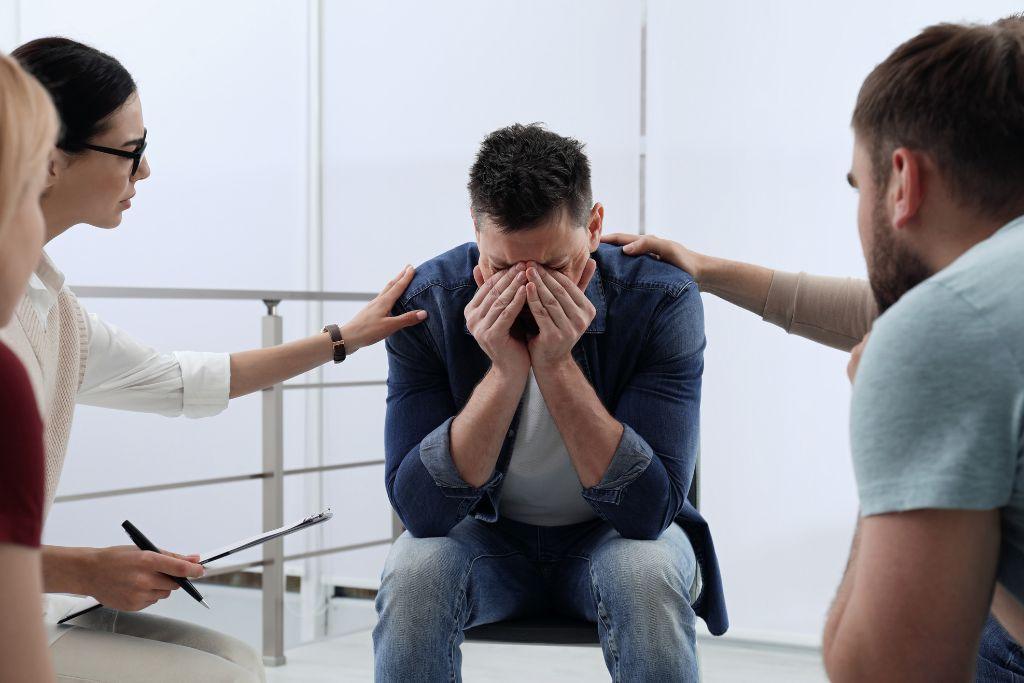
The drug recovery process depends much on group therapy sessions, which create a friendly environment where people may discuss their experiences, difficulties, and achievements with others on a like path. In the recovery process, these meetings help to build a feeling of community and mutual support that may be quite strong. Many discover that long after they finish their first drug treatment program, the relationships developed in group therapy become a vital component of their continuing support system.
Still another crucial component of thorough drug treatment is family therapy. Family ties are sometimes severely disrupted by addiction; hence, including family members in the treatment process can assist to restore these bonds and foster a more loving household. Sessions of family therapy help loved ones understand addiction, enhance communication, and offer techniques for helping the person on their path of recovery.
Recognising that addiction affects the complete person—body, mind, and soul—holistic methods to drug recovery have been somewhat well-known lately. Together with conventional therapeutic approaches, these programs may include alternative treatments such yoga, meditation, acupuncture, and art therapy. Holistic drug rehabilitation aims to enhance general wellbeing and provide people a range of tools to aid in their recovery.
Many drug rehabilitation clinics include medication-assisted therapy (MAT), especially for those suffering with opioid addiction. MAT combines counselling and behavioural treatments with FDA-approved drugs, including methadone or buprenorphine. These drugs can assist lower cravings and withdrawal symptoms, therefore freeing people to concentrate on their recovery free from the continual distraction of physical pain or strong drug desires.
As people work through their drug treatment program, the emphasis usually moves to learning life skills and techniques for preserving long-term sobriety. This might call for financial preparation, stress management strategies, diet and fitness instruction, and vocational training. The aim is to provide them the means to negotiate daily life without resorting to drugs and construct a happy life in recovery.
Successful drug treatment depends critically on aftercare. Maintaining recovery depends on continuous assistance since the return from a controlled treatment setting back into daily life can be difficult. Aftercare programs could call for frequent visits with treatment specialists, sober living quarters, Narcotics Anonymous membership, and ongoing therapy sessions. Many drug treatment centres provide alumni groups or continuous support tools to let people remain close to their recovering community.
The degree of the addiction and the personal need will greatly affect the length of drug recovery. While long-term residential therapy might stretch six months to a year or more, short-term programs could run thirty to 90 days. Longer treatment lengths have been found to be typically correlated with better results as they give more time for people to address strongly rooted patterns of behaviour and create solid basis for recovery.
Dealing with co-occurring mental health issues, also referred to as dual diagnosis, is one of the difficulties in drug treatment. Many people suffering with drug misuse often have underlying mental health problems such post-traumatic stress disorder, anxiety, or depression. Recognising that long-lasting recovery depends on treating both the addiction and the mental health condition, effective drug rehabilitation programs are ready to treat both co-occurring diseases concurrently.
One cannot overestimate the importance of peer support for drug rehabilitation. Many programs include recovery coaches or peer support specialists—people who have personally experienced addiction and recovery—into their treatment teams. For those in early recovery, these peers may be role models, sources of special insight, and hope providers. For those undergoing rehabilitation, the same experience builds a strong link and may be quite motivating.
Programs for drug rehabilitation centre mostly on relapse prevention. Although many people’s road to recovery includes relapse, good rehabilitation programs include tools to help patients see triggers, control cravings, and handle high-risk events. Maintaining long-term sobriety and developing resilience against forthcoming problems depend on these abilities.
For many people, therapy is hampered by the stigma associated with addiction and drug recovery. Aiming to lower stigma and inspire more individuals to seek treatment, education and awareness campaigns are a major component of the larger scene of drug rehabilitation. Many recovery clinics also fight for laws allowing treatment access and acknowledge addiction as a medical condition instead than a moral failing or criminal concern.
Advances in neurobiology and addiction studies keep guiding and enhancing methods of drug recovery. Knowing the brain alterations linked to addiction has helped to create novel drugs and treatments aiming at particular phases of the addiction process. Drug rehabilitation programs change to include evidence-based techniques and modern therapies as study advances.
Many people and families may find drug rehabilitation‘s expenses troubling. Many insurance policies now cover addiction treatment, though, and sliding scale rates, payment plans, and state-funded programs provide choices to make recovery more accessible. Given the long-term health, social, and financial advantages of recovery, many see investing in drug rehabilitation as a reasonably priced strategy.
Ultimately, drug rehabilitation provides hope and healing to people battling drug misuse; it is a complicated and multifarious process. Drug rehabilitation programs give a road to recovery and an opportunity for people to reconstruct their life by combining medical treatment, counselling, support, and skill-building. Though the road may be difficult, many success stories of people who have conquered addiction and gone on to life happy, drug-free lives attest to the transforming power of drug treatment. Drug rehabilitation remains a ray of hope for those trying to break free from the cycle of substance misuse and embrace a better, more positive future as our knowledge of addiction develops and treatment options change.