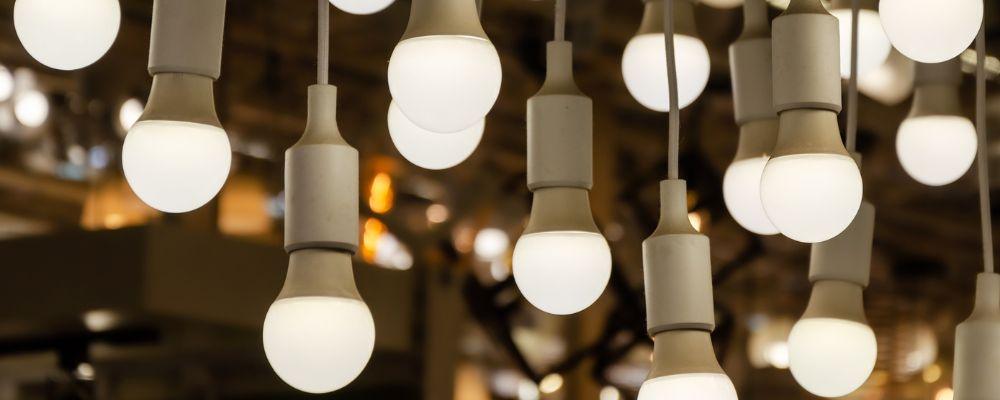
Over the course of several decades, the incandescent light bulb, which is a relatively simple light source, was the sole source of illumination in our communities and homes. Because of the incredible efficiency and versatility of the LED light bulb, however, the times have changed, and the dawn of a brighter future has arrived. This was made possible by the revolutionary LED light bulb. The way in which we see and interact with light has been revolutionised as a result of this breakthrough technology, which offers a wide range of advantages that are quickly making it the ideal option for meeting the requirements of modern lighting.
The days of having to cope with filaments that generate heat and are brittle are completely over. In order to generate light, the light-emitting diode (LED) light bulb, which is powered by a semiconductor device known as a light-emitting diode, requires the electrons to be electrified. When compared to its predecessors, incandescent light bulbs, this cutting-edge method results in a significant reduction in the amount of energy that is consumed. Using LED bulbs can result in significant savings on energy bills and a smaller impact on the environment. An LED light bulb can consume up to 80 percent less energy than traditional light bulbs.
LED light bulbs are not only more efficient in terms of energy consumption, but they also have a lifespan that is far longer than that of traditional light bulbs. A good quality LED bulb can glow for tens of thousands of hours, but an incandescent bulb typically burns out after only a few hundred hours of use. This longer lifespan means that you will need to replace it less frequently, which will simplify your life and reduce the amount of garbage you produce.
Aside from the fact that it saves energy and lasts longer, LED technology also has other advantages. LED lighting technology has advanced to the point where it now offers an incredible range of colour temperatures, making it possible to easily customise the ambiance in any environment. The LED light bulb is designed to meet all of your lighting requirements, from the warm and inviting glow of yellow-toned LEDs, which are good for leisure, to the sharp and chilly tones that are ideal for jobs that require concentration.
Furthermore, the directionality of the light that is produced by LEDs makes it possible to precisely adjust and customise the display. The creation of beautiful light effects and architectural accents in residential and commercial settings is now possible as a result of this development.
Because of their small size and long-lasting nature, LED bulbs are ideally suited for a wide variety of possible applications. They are rapidly being used in a wide variety of applications, ranging from light fixtures in homes to street lamps, headlights in automobiles, and even runways at airports. The adaptability and resiliency of these materials have made it feasible for creative lighting solutions to be used across a variety of industries, thereby expanding the bounds of what is achievable.
In spite of the various benefits they offer, LED light bulbs have not been without their share of difficulties in the past. Concerns over the initial expense and the possibility of flicker have been addressed as a result of continual technological developments. The cost of LED bulbs has been increasingly competitive in recent years, and developments in driver technology have effectively removed the problem of flicker, which has resulted in a lighting experience that is both comfortable and constant.
The light-emitting diode (LED) light bulb is a shining example of innovation as we progress towards a future that is heavily focused on sustainability. Because of its outstanding energy efficiency, extended lifespan, and versatility, it is a strong tool that can help us reduce the impact that we have on the environment. It is not enough to just replace obsolete technology; rather, it is necessary to embrace a brighter and more sustainable future in which light is utilised more intelligently rather than more forcefully. The light bulb that uses light-emitting diode (LED) technology is more than simply a source of illumination; it is also a sign of development, efficiency, and a commitment to a more environmentally friendly tomorrow.