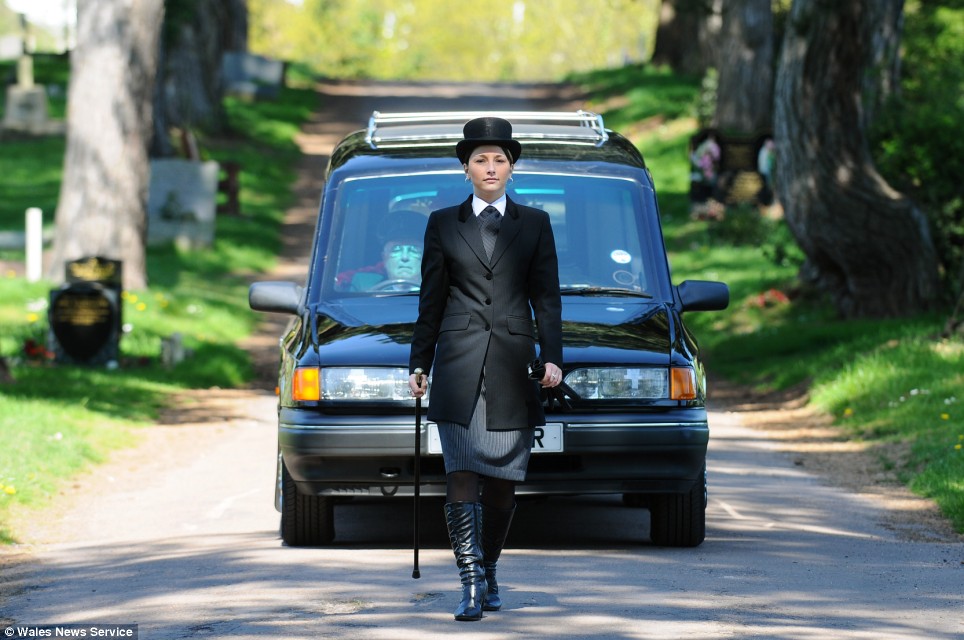
Dealing with the loss of a loved one is an incredibly difficult and emotionally taxing experience. Grief engulfs us, leaving us bewildered and helpless, but there is a team of experts that are there to help us get through this dark time: funeral directors. At a time of profound emotional turmoil, funeral directors are more than simply ceremony organisers; they are also sympathetic friends, masters of logistics, and guardians of tradition.
An empathetic and respectful procedure starts the minute a family hires a funeral home. As the initial point of contact, funeral directors are there to listen to families’ sad stories and offer solace. They provide a nurturing environment where families may share their desires, get support throughout their grief, and start to move on after a loss. The necessity of funeral directors having empathy and compassion is highlighted in this first encounter, which sets the tone for the whole process of making funeral arrangements.
Funeral directors provide more than just emotional assistance, though. The preferences of the grieving might be skilfully transformed into a meaningful and unique farewell by these careful organisers. A funeral director’s careful management of innumerable details, such as casket or urn selection, viewing arrangements, and memorial ceremonies, relieves a tremendous load off the shoulders of the bereaved family. To make sure the last tribute goes down without a hitch and with dignity, they coordinate with the cemetery, officiant, flowers, and any other service providers.
Funeral directors have changed their practices to meet the needs of families in an age when cremation is becoming more common. They provide information to families about cremation, provide a wide variety of urns, and help plan memorial ceremonies according to each person’s preferences. The funeral director’s primary goal is to help the family find peace and closure after the death of a loved one, regardless of whether that means a more conventional burial, cremation, or a more unique memorial service.
Funeral directors are essential not only for arranging the funeral and its details but also for providing valuable advice and information. Obtaining a death certificate, submitting an insurance claim, and printing an obituary are all examples of the complicated legal and administrative tasks that these individuals handle. As they navigate unfamiliar processes and grieve, families find this practical help vital.
Funeral directors also have extensive knowledge of religious and cultural practices that pertain to dying. They treat each service with cultural awareness and respect since they know that every family’s beliefs and practices are different. The funeral director’s job is to make sure the service honours the deceased’s life and history in every way possible, whether that’s by following religious rites, adding cultural aspects, or just respecting the family’s traditions.
A funeral director’s responsibilities do not end with the passing of a loved one. assistance groups, grief counsellors, and other community services are often connected to families in need of continuous bereavement assistance. Their awareness of grief and their desire to help families move forward after it has happened are both demonstrated by their dedication to long-term care.
As technology permeates every facet of modern life, funeral directors have also embraced digital platforms to better serve their clients. Digital venues for exchanging memories and condolences, virtual memorial ceremonies, and online obituaries are offered by several. Through their use of technology, they are able to reach a wider audience, bringing together people from all over the world and providing them with fresh methods to remember and honour the lives of those they’ve lost.
As a result of the complexity of their work, funeral directors must possess a rare combination of empathy, efficiency, and cultural awareness. In times of great difficulty, they are there to lead us in a peaceful direction, providing comfort, strength, and a way forward towards recovery. Funeral directors help people say their goodbyes in a way that is fitting for the departed and gives the living peace of mind, even though the services they offer are typically linked with melancholy. In the midst of the complicated feelings of loss, their unnoticed and underappreciated job is crucial in assisting us to remember our loved ones with respect and compassion.
Royal Town Funeral Directors in Sutton Coldfield
3 Belwell Ln, Four Oaks, Birmingham, Sutton Coldfield B74 4AA
0121 308 2626
royaltownfunerals.co.uk