The old saying “you are what you eat” applies not just to people but also to our canine companions. As pet parents grow more conscious of their own diets, it’s natural for them to seek out the best nourishment for their furry family members. The quest for a more natural, species-appropriate diet has prompted many people to investigate the possible advantages of raw dog food.
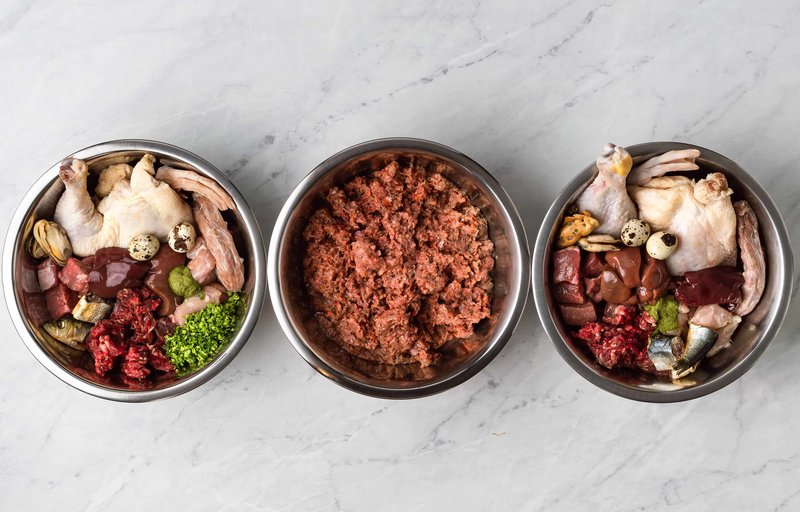
Raw dog food, as the name implies, avoids the processed kibble and canned food that dominate pet shop shelves in favour of a diet more akin to what dogs may have ingested in their wild ancestors. It is often made consisting of raw muscular flesh, bones, and organs, with minor amounts of fruits, vegetables, and vitamins. This “biologically appropriate” method, as proponents frequently characterise it, has numerous potential benefits that have attracted the curiosity of dog owners looking to improve the health and vitality of their pets.
One of the most persuasive reasons in favour of raw dog food is its ability to improve digestion. While dogs have developed alongside humans, their digestive processes are very similar to their wild counterparts, engineered to effectively consume raw meat and bones. Advocates think that the high heat used in commercial pet food processing can denature proteins, reduce nutritional bioavailability, and perhaps cause stomach discomfort in some dogs. Raw dog food, on the other hand, preserves the natural enzymes found in raw products, which supporters say can help digestion and nutritional absorption.
Aside from digestion, raw dog food fans frequently claim significant changes in their dogs’ skin and coat health after making the switch. These benefits are linked to a variety of raw diet-related variables. The greater moisture level of raw food can aid in maintaining hydration, which is essential for good skin and a lustrous coat. Furthermore, raw dog food contains vital fatty acids such as omega-3s and omega-6s, which are proven to promote healthy skin and a shiny coat. Many owners report a reduction in shedding, itching, and dry skin after converting their dogs to a raw diet.
Increased energy levels are another commonly cited advantage of raw dog food. This increase in vigour is commonly linked to raw diets’ increased protein content when compared to some conventional pet feeds. Protein offers the building blocks for muscular growth and repair, and a high-quality protein diet, such as muscle meat and organs, can help dogs gain energy and stamina. Owners frequently notice a renewed enthusiasm for games and walks after introducing their canine companions to a raw feeding regimen.
Another benefit of raw dog food is that it promotes dental health. While there is no alternative for regular brushing, nibbling on raw meaty bones can be a natural form of oral maintenance. Chewing on bones helps to remove plaque and tartar accumulation, resulting in healthier teeth and gums. Furthermore, some proponents feel that the lack of carbs in raw dog food, which can lead to plaque development, promotes overall dental health.
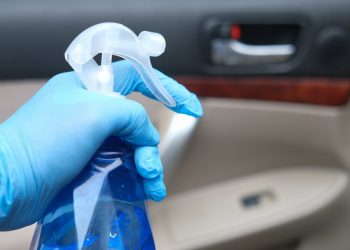
However, while the potential benefits of raw dog food are intriguing, it is important to note that this feeding method is not without criticism. Concerns about bacterial contamination and nutritional balance are real and warrant careful examination. Purchasing products from reliable vendors, maintaining strict sanitation during preparation and feeding, and consulting with a veterinarian or veterinary nutritionist to ensure a balanced diet are all critical measures in avoiding these dangers.
The choice of whether or not to integrate raw dog food into your pet’s diet is entirely personal. There is no one-size-fits-all method; what works for one dog may not work for another. Arming yourself with knowledge, considering the possible advantages and hazards, and having open and honest talks with your veterinarian are all important steps towards making educated decisions regarding your dog’s nutritional needs. Ultimately, prioritising their well-being and providing a food that meets their specific requirements is the foundation of ethical pet ownership.