The term “Valentine” may bring up ideas of romantic cards and passionate gestures, but in the culinary world, it has a very different meaning. Valentine fryers, which have been a fixture in numerous kitchens and restaurants for almost a century, are more than just equipment; they represent a bygone age, encapsulating the spirit of invention and pragmatism that marked early twentieth-century cookery.
The tale of Valentine fryers begins with a basic invention: the deep fryer. Before its debut, frying food was a dirty, time-consuming, and sometimes unexpected process. However, the introduction of the deep fryer transformed the technique, making it possible to easily produce crispy, flavourful fried items on a continuous basis. And at the core of this culinary revolution was Valentine, a firm that had a significant impact on the landscape of deep frying.
The actual beginnings of Valentine fryers are clouded in mystery, although the company’s heritage dates back to the early twentieth century. The firm, headquartered in the heart of the American Midwest, began by making and selling cast iron cookware, specifically kettles and Dutch ovens. However, the rising popularity of deep frying, fuelled by the advent of fast food and the need for home-cooked convenience, prompted Valentine to enter the field of deep fryer manufacture.
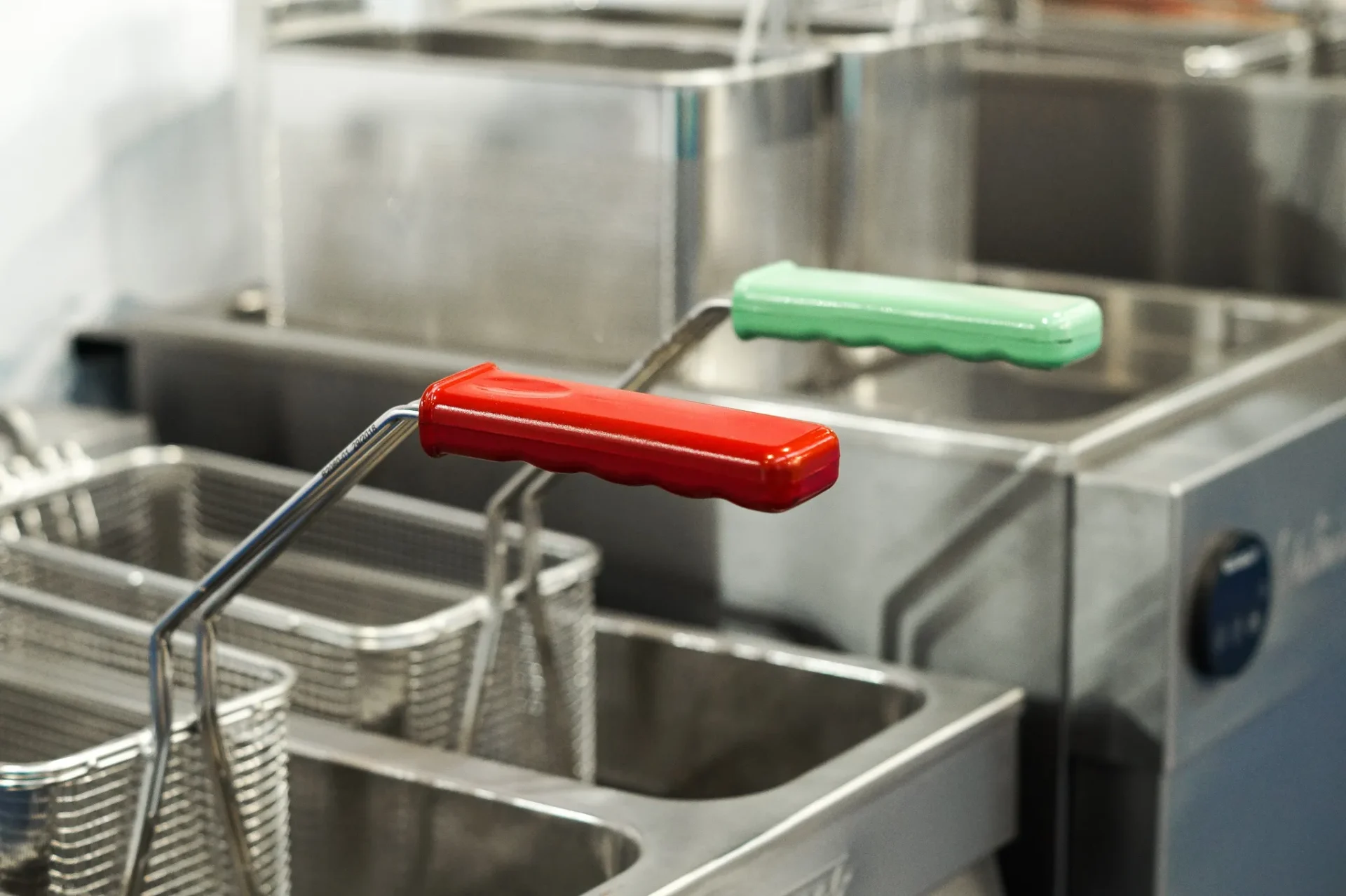
Valentine fryers immediately became known for their sturdy structure and unique features. Unlike its predecessors, which were sometimes big and unwieldy, Valentine fryers were designed with functionality in mind. They had cast iron bodies that offered excellent heat distribution and durability, resulting in uniform cooking and lifespan. Valentine also included unique features like as changeable thermostats, which provide exact temperature control and consistent frying results.
The company’s devotion to quality and innovation solidified its position as an industry leader. Valentine fryers became a culinary mainstay across America, from modest homes to big eateries. its popularity grew beyond boundaries, reaching restaurants and households in Europe and Asia, cementing its position as a worldwide brand linked with quality and performance.
The golden period of Valentine fryers lasted several decades, with the business constantly perfecting its designs and producing new models to meet changing requirements. Valentine provided a wide range of devices to meet a variety of culinary needs, from tabletop fryers ideal for home use to enormous industrial-sized units capable of handling the demands of high-volume restaurants.
While the firm later faced competition from other manufacturers, the Valentine fryer brand remained. Many people still value their cast iron structure because of its longevity and ability to retain heat. Even in the era of contemporary, high-tech appliances, Valentine fryers have a certain beauty and allure, serving as a reminder of a period when invention and workmanship were valued highly.
Many Valentine fryers are still treasured relics in kitchens today, passed down through years or discovered in antique shops, their surfaces inscribed with stories of innumerable meals and memories. They are a tribute to the lasting power of excellent design and craftsmanship, reminding us that even in an age of rapidly changing technology, some things stay timeless.
The popularity of Valentine fryers demonstrates the continued appeal of fried dishes. Valentine fryers provide a limitless variety of culinary alternatives, from crispy french fries and golden-brown chicken to delicate onion rings and savoury seafood. Valentine fryers, whether employed in a hectic restaurant kitchen or a cosy home setting, continue to be a source of culinary inspiration, a reminder that the simple act of frying may open up a world of delectable options.
Beyond its practical applications, Valentine fryers have a unique place in culinary history. They represent an important period in the history of food preparation, when creativity and practicality combined to produce a tool that changed the way we cook. Their long impact demonstrates the everlasting power of excellent design, serving as a reminder that, even in a world of ever-changing technology, some things stay timeless and some preferences are always in style.
As we look to the future of cooking, with its ever-changing technology and culinary trends, the history of Valentine fryers serves as a reminder of the value of workmanship, ingenuity, and an unwavering love for the art of frying. Whether we discover them in our kitchens, antique shops, or in the recollections of people who used them, Valentine fryers continue to evoke nostalgia and admiration for the culinary tradition they represent.