Locks are a small but crucial element of any property, and the difference between work done quickly and work done well often comes down to craftsmanship. For homeowners and businesses alike, a locksmith who treats each job as a skilled trade brings benefits that go beyond a functioning latch: longevity, neat finishes, and fewer follow-up visits.
If you are comparing local options, a search for locksmith Newport will bring up a range of providers; using craftsmanship as a filter helps you focus on firms that prioritise workmanship rather than simply speed or the lowest price.
Quality in locksmithing is visible at several stages: the initial assessment, the selection of parts, the installation process and the tidy completion of any finishing work. These elements matter whether a job is a simple cylinder replacement or a bespoke security upgrade for a period property.
This article explains what to look for in craft-focused locksmiths, practical steps you can take to prepare for a visit, and how thoughtful workmanship delivers practical value over time. The aim is to help readers make an informed choice that rewards care and competence.
Throughout, the emphasis is on practical examples and what results you can reasonably expect when a locksmith treats your locks as precision work rather than a box-ticking service. That perspective changes the questions you ask and the outcomes you seek.
Choosing craftsmanship does not mean paying for needless extras; it means selecting a professional who balances materials, techniques and care to produce reliable, neat and serviceable results that suit your property.
Why Craftsmanship Changes Outcomes
When a locksmith applies meticulous technique, the immediate benefit is a secure, correctly aligned fitting. Over time, good workmanship reduces wear on moving parts and prevents annoying issues such as keys sticking or locks jamming. For property owners, that translates to lower maintenance effort and fewer emergency call-outs.
What Quality Looks Like in Locksmith Work
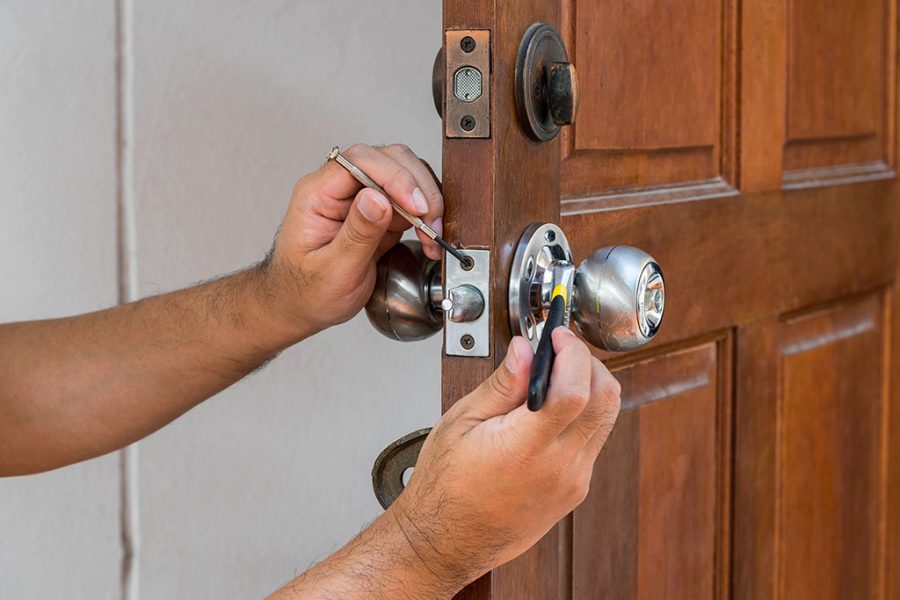
Quality covers several distinct aspects. First, the diagnostic phase: a skilled locksmith lists the causes of a problem rather than prescribing a single fix. Second, the choice of components: brass or hardened steel fittings, appropriate cylinders, and correctly sized screws make a tangible difference to durability. Third, the installation itself: precise drilling, correct backset alignment and neat finishing around the door casing show care.
Precision in Locks and Fittings
Precision matters for mechanical tolerances. A lock installed even a few millimetres out of alignment will strain every operation and wear faster. A craftsman locksmith will take time measuring and setting components so the bolt or latch engages smoothly with the strike plate and the door closes without forcing it.
Neatness and Respect for Property
Careful tradespeople work to minimise disruption. Expect a craft-oriented locksmith to protect flooring, tidy debris, and make neat cuts or chisel marks that blend with the frame. That attention to detail preserves the look of doors and frames and signals pride in the work.
Questions That Reveal a Craft-Focused Approach
Asking the right questions helps identify craftsmen. Useful enquiries include: what type of parts will be used and why; whether the locksmith will align or adjust the frame if needed; how they will ensure the new fitting matches existing hardware; and what aftercare or routine checks they recommend. Answers that explain reasoning and alternatives indicate a thoughtful approach rather than a scripted sales pitch.
How to Prepare for a Craft-Led Visit
Preparation helps the locksmith focus on quality rather than dealing with avoidable surprises. Clear access to the door, any keys you still have, and information on the door material (solid timber, composite, metal) are useful. If the property is a listed building or has original fittings you wish to retain, mention this in advance so the locksmith can plan an appropriate, minimally invasive solution.
Pictures and Measurements
Photos taken from both sides of the door and a quick measurement of thickness and backset save time. A craftsman appreciates this because it allows them to bring correct parts and prepare for any adjustments, ensuring the job is completed in fewer visits.
Examples of Craftsmanship in Typical Jobs
Consider a cylinder replacement: a careful locksmith checks the cylinder size, removes any binding caused by warped frames, and may re-set the strike plate so the door closes cleanly. For a multipoint locking system, craftsmanship means testing each locking point and synchronising them so the handle action is consistent and effortless.
On older properties, craft-focused locksmiths will often recommend sympathetic hardware that preserves character while improving security. That might mean choosing a period-appropriate escutcheon or using fixings that avoid damage to original fabric while still providing robust performance.
When Bespoke Solutions Are Worth Considering
Some properties simply benefit from bespoke attention: unusual door thicknesses, non-standard frame constructions, or specific security needs such as commercial premises with prolonged operating hours. A craftsman will propose tailored solutions—custom-cut strikes, reinforced door edges, or specialist cylinders—that address the real problem rather than a one-size-fits-all replacement.
Integration with Other Work
Good locksmithing recognises that doors, frames and handles interact with other trades. A craftsman will coordinate with joiners or glazing specialists when necessary, for example if a frame needs easing or a threshold requires adjustment to allow a new lock to function correctly. That collaborative approach saves time and produces a better finish.
Balancing Cost with Lasting Value
Quality work can be more economical in the long run. While a high-quality part or a more time-consuming install may cost more up front, the result is less frequent maintenance and a lower chance of emergency replacements. When considering quotes, look for clarity on parts, labour allowances and whether follow-up adjustments are included—these practical details indicate a seller confident in their work.
Maintaining Craftsmanship Benefits over Time
Aftercare complements good installation. Regular lubrication with an appropriate product, keeping strike plates free from paint build-up, and exercising locks occasionally prevents deterioration. A craft-minded locksmith will explain simple maintenance you can reasonably carry out and when to book periodic checks to extend the life of fittings.
How to Recognise Evidence of Good Work After Completion
Once a job is finished, look for neat screwwork, aligned strike plates, a consistent handle action and clean joints around hardware. Ask for a brief run-through of what was done and any small maintenance steps. A craftsman will be happy to demonstrate how the lock operates and explain why particular parts were chosen.
Choosing a locksmith by the standard of their workmanship leads to practical benefits: fewer call-outs, components that function smoothly for longer, and an installation that respects the property’s appearance. That focus on quality also supports straightforward future upgrades—well-installed hardware is easier to adapt when you want to add electronic access control or additional security measures.
When locksmithing is treated as a craft rather than a commodity, customers receive solutions that are technically sound, neatly finished and aligned to their needs. That combination of skill and attention to detail is precisely what distinguishes a dependable tradesperson from a short-term fix. For those who value durability and a tidy finish, prioritising craftsmanship is a sensible decision that pays off in everyday use and long-term reliability.
Get in Touch:
Lockworx Locksmiths
07870 625433
lockworxcardiff.co.uk