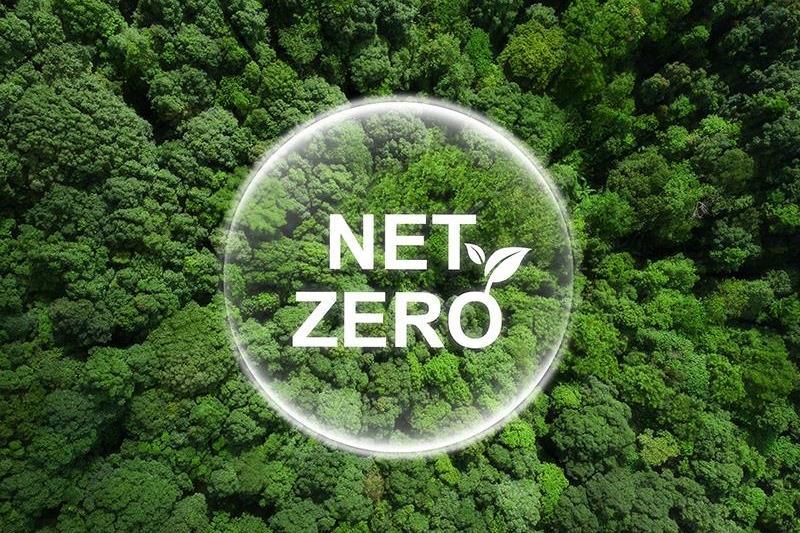
Businesses significantly help to lower greenhouse gas emissions in the worldwide fight against climate change. Reaching net zero—the equilibrium between the greenhouse gases produced and those taken out of the atmosphere—is no more a far-off dream but rather a necessary objective for all kinds of businesses. Fortunately, companies can assess, control, and lower their carbon footprint with the increasing array of tools and approaches at hand. Here we look at some of the most useful instruments to help your company towards a future net zero.
Calculators for carbon footprint
Developing a sensible carbon reduction strategy starts with knowing where your emissions originate. Excellent tools for evaluating the greenhouse gas emissions of your company across activities, supplier networks, and even staff commuting are carbon footprint calculators.
These calculators offer information on the main causes of your emissions—energy use, waste, and transportation among other things. Knowing where your biggest impacts are can help you to focus on these areas using particular tactics towards net zero.
Systems of Energy Management:
Powerful instruments for maximising energy use and raising efficiency are energy management systems (EMS). These solutions track your real-time energy consumption, helping you to spot waste and guide data-driven actions meant to lower usage.
Changing to renewable energy sources is another really vital step towards net zero. Many EMS systems also easily interact with renewable energy systems, such solar panels or wind turbines, so allowing your company to monitor the output of these investments.
Tools for Sustainable Supp Chains
Many companies’ carbon footprints originate from their supply chains, hence they are rather important. Tools for sustainable supply chains let you evaluate and control the environmental effect of your logistics partners and suppliers.
These tools help you to find inefficiencies and give low-carbon solutions top priority by mapping your supply chain and assessing carbon emissions at every level. A major component of reaching net zero is streamlining your supply chain, whether that means partnering with greener shipping providers or local raw material suppliers.
Tools for green building and facilities
Reducing the carbon footprint of your buildings is vital for companies with manufacturing operations or physical offices. Green building tools enable companies to create low-energy consumption, low-emission sustainable buildings by design, construction, and operation.
Closer to net zero can also come from retrofitting current buildings with energy-efficient lighting, heating, ventilation, and cooling systems. Further reducing your carbon footprint are smart building technologies’ ability to track occupancy patterns and automate energy-saving actions.
Waste-Reducing Strategies
Two key techniques for companies aiming at net zero are cutting waste and applying circular economy ideas. From tracking material use to supporting recycling and upcycling projects, waste reduction platforms offer answers for better management of resources.
Many times include reporting tools, these instruments help you track development over time and match your activities to environmental objectives. Reducing waste helps you also cut the emissions from manufacturing, transportation, and material disposal.
Resources for Employee Engagement
Reaching net zero calls for acceptance at all levels of your company. Tools for employee engagement are meant to motivate and teach your staff about environmentally friendly methods of living.
Gamification on these platforms helps staff members to embrace greener habits include carpooling, energy use reduction, or more effective recycling. Encouragement of a sustainable culture helps you to magnify the efforts of your company towards lower carbon footprint.
Platforms for carbon offsets
Although lowering emissions should always be the main priority, carbon offsetting will enable your company to handle the difficultly eliminated leftover emissions. Investing in projects that eliminate or lower greenhouse gases—such as forestry programs, solar energy installations, or carbon capture technologies—allows you to employ carbon offsetting platforms.
Selecting credible, open and certified offsetting initiatives is crucial. Reaching net zero can be achieved really effectively by including offsets into your more general sustainability plan.
Tools for Data and Reporting
Any net zero plan must have open reporting from start. Companies have to show responsibility and follow their development towards lower emissions. Tools for data and reporting help you to gather, evaluate, and document sustainability indicators, so guiding your aims towards correct direction.
Many of these instruments also enable you to comply to voluntary frameworks like the Science Based Targets initiative (SBTi) or satisfy legal criteria. Showing your dedication to sustainability and developing trust with stakeholders depend on reliable, clear statistics.
Transportation & Mobility Solutions
Transport-related emissions can be a major obstacle for companies with logistical or commuting requirements on their road to net zero. By maximising routes, improving fuel efficiency, or switching to electric or hybrid cars, transport and mobility solutions enable businesses lower these emissions.
Another measurable impact is motivating staff members to use public transportation, bicycles, or carpooling. Your company can approach its net zero targets much closer by considering how people and products flow.
Platform for Purchasing Renewable Energy
One of the most effective steps a company can take towards net zero is changing to renewable energy. Purchase of renewable energy sources such as wind, solar, or hydroelectric power is simpler thanks to procurement systems.
These systems help companies to establish power purchase agreements (PPAs) or engage in green energy tariffs, therefore guaranteeing sustainable meeting of their energy demands. Reducing your dependence on fossil fuels helps you greatly cut your carbon footprint and promote the more general change to a low-carbon economy.
Creativity and Modern Technology
Emerging technologies transforming how companies address carbon emissions include artificial intelligence (AI), blockchain, and Internet of Things (IoT) devices. AI can maximise energy consumption, for instance, while blockchain offers open documentation of environmental initiatives all along the supply chain.
These developments together with conventional instruments build a strong basis for reaching net zero. Companies ready to welcome innovation and technology will find themselves in a good position to satisfy environmental goals.
The Road to Zero Net Emissions
Reducing the carbon footprint of your company presents opportunities as well as challenges. Adopting the correct tools and techniques will help you to significantly reach net zero and simultaneously enjoy advantages including cost savings, improved reputation, and resilience in a world fast changing.
Remember too that reaching net zero is not a one-size-fits-all trip. Your industry, organisational size, and particular objectives will determine the instruments you decide upon. But if you commit to sustainability and make use of the resources at hand, your company can help to influence the surroundings positively.
To reach net zero, then, a comprehensive strategy combining technology, creativity, and cultural transformation is needed. Using the above described technologies can help companies not only lower their carbon footprints but also help to create a sustainable future for all.