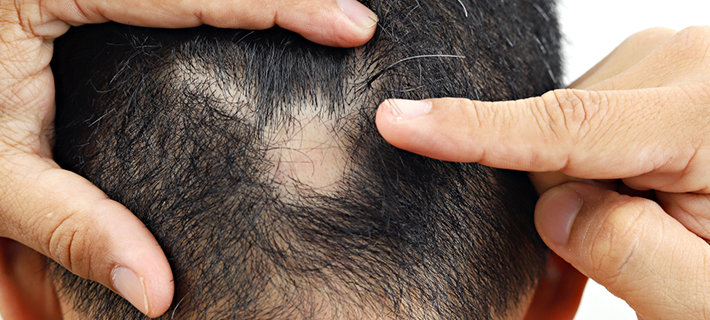
A kind of hair loss called scarring alopecia, often referred to as cicatricial alopecia, happens when hair follicles are damaged and replaced by scar tissue. If left untreated, this illness can cause irreparable hair loss and be permanent. Depending on the source and severity of the problem, scarring alopecia might have a variety of treatment options.
Stopping the course of hair loss and preventing more damage to the hair follicles are two of the key objectives of therapy for scarring alopecia. Medications like corticosteroids, which can assist lower inflammation and decrease the immune response damaging the hair follicles, can be used to achieve this. In moderate cases of scarring alopecia, topical corticosteroids are frequently recommended; in more severe cases, oral corticosteroids may be required.
To treat scarring alopecia, additional drugs including methotrexate and hydroxychloroquine may also be used in addition to corticosteroids. These drugs function by lowering inflammation and inhibiting the immune system, which can help to prevent further hair loss and protect the existing hair follicles. It is crucial to remember that these drugs may not be appropriate for everyone and that they may have negative consequences. Before beginning therapy, it is crucial to go over the possible advantages and disadvantages of these drugs with a healthcare professional.
Surgery is an additional therapeutic option for scarring alopecia. To restore hair growth in regions damaged by scarring alopecia, hair transplant surgery may be advised in certain circumstances. In order to treat the afflicted portions of the scalp, healthy hair follicles from other sections of the scalp are removed and transplanted. This can enhance the scalp’s general look and aid in the restoration of hair growth. It is crucial to remember that not everyone may benefit from hair transplant surgery, and not all forms of scarring alopecia can be successfully treated with it.
There are non-invasive therapies that can help control the symptoms of scarring alopecia in addition to medication and surgery. For instance, microneedling treatment and scalp massages might aid in promoting blood flow to the scalp and enhancing hair development. The afflicted regions may recover more quickly and with less irritation thanks to these therapies. Furthermore, you can encourage healthy hair development and stop additional damage to your hair follicles by using mild hair care products and avoiding harsh chemicals.
It is essential to remember that the reason and degree of scarring alopecia might affect how well a therapy works. Permanent hair loss may ensue from scarring alopecia in certain circumstances, which may not respond well to therapy. As much hair growth as possible can be preserved and the condition’s development slowed down with early identification and therapy.
In summary, the goals of treatment for scarring alopecia include halting the advancement of hair loss, shielding the hair follicles from more harm, and encouraging the creation of healthy new hair. In order to do this, non-invasive therapies, surgery, and medication can be used. It is crucial to speak with a healthcare professional to decide which treatment option is best for each patient’s requirements and symptoms. Scarring alopecia can be difficult to treat, but with the appropriate strategy, symptoms can be controlled and hair growth can be preserved, improving the condition’s impact on its sufferers’ quality of life.