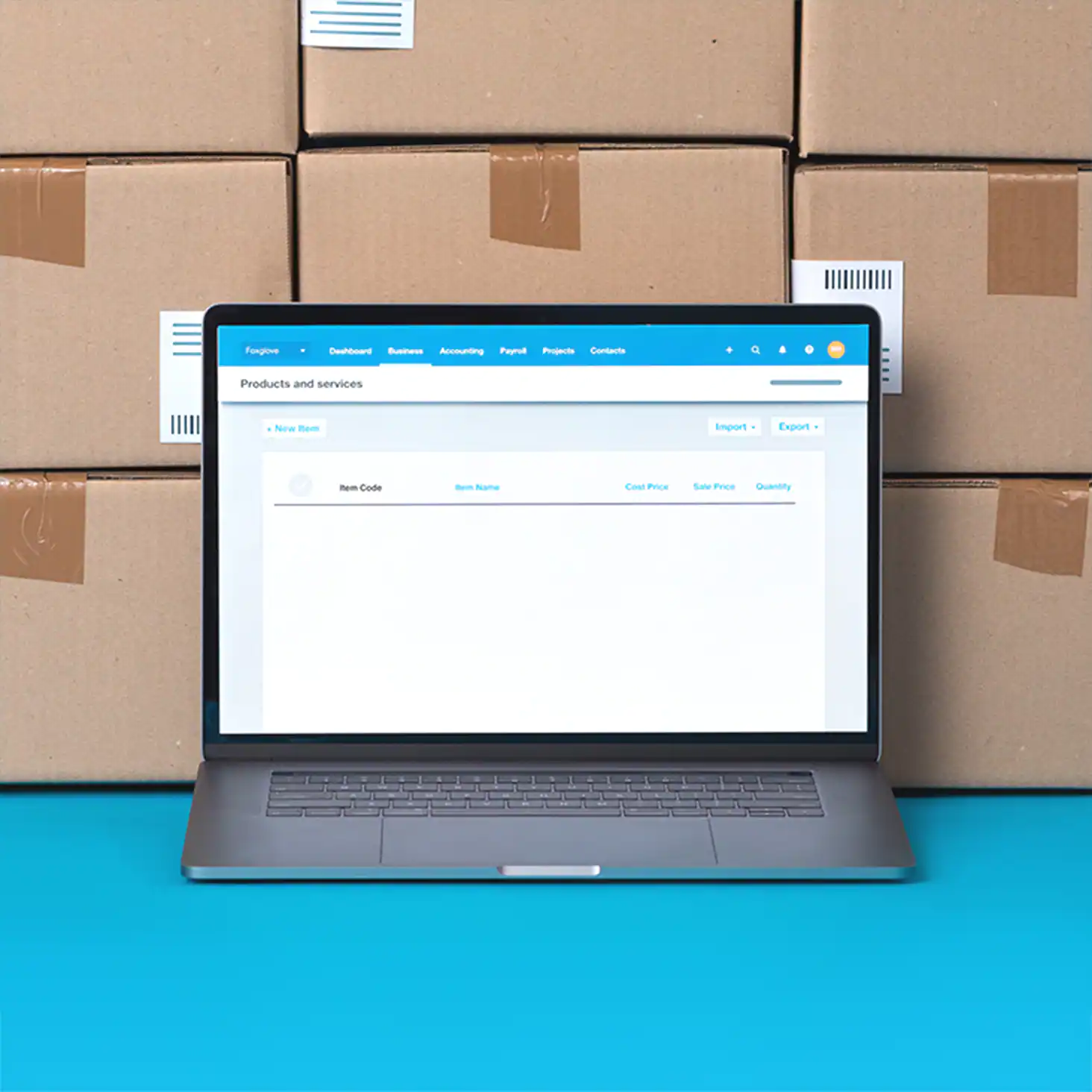
In today’s fast-paced business environment, companies are constantly seeking ways to improve efficiency, reduce costs, and enhance customer satisfaction. One of the most powerful tools available to achieve these goals is inventory and supply chain optimization software. This innovative technology has transformed the way businesses manage their operations, enabling them to streamline processes, minimize waste, and maximize profitability.
Inventory and supply chain optimization software is designed to help organizations manage the complex network of suppliers, manufacturers, distributors, and retailers involved in bringing products to market. By leveraging advanced algorithms, data analytics, and machine learning capabilities, this software provides businesses with invaluable insights and recommendations to optimize their entire supply chain ecosystem.
One of the primary benefits of inventory and supply chain optimization software is its ability to improve inventory management. Traditional inventory management methods often rely on manual processes and gut instincts, leading to inefficiencies and costly errors. With inventory and supply chain optimization software, businesses can accurately forecast demand, optimize stock levels, and reduce the risk of stockouts or overstocking.
The software achieves this by analyzing historical sales data, market trends, and other relevant factors to generate accurate demand forecasts. These forecasts enable businesses to make informed decisions about when to order new stock, how much to order, and where to store it. By maintaining optimal inventory levels, companies can reduce carrying costs, minimize waste, and improve cash flow.
Moreover, inventory and supply chain optimization software helps businesses identify and address bottlenecks in their supply chain. By providing real-time visibility into every stage of the supply chain, from raw material sourcing to final product delivery, the software enables companies to pinpoint areas of inefficiency and take corrective action. This level of transparency is crucial for identifying potential risks and mitigating them before they impact operations.
Another key feature of inventory and supply chain optimization software is its ability to optimize transportation and logistics. The software can analyze various transportation options, taking into account factors such as cost, speed, and reliability, to determine the most efficient routes and modes of transport. This not only reduces transportation costs but also improves delivery times and customer satisfaction.
In addition to optimizing existing processes, inventory and supply chain optimization software can help businesses adapt to changing market conditions and customer demands. The software’s predictive analytics capabilities enable companies to anticipate shifts in demand and adjust their operations accordingly. This agility is particularly valuable in industries with volatile market conditions or seasonal fluctuations.
One of the most significant advantages of inventory and supply chain optimization software is its ability to facilitate collaboration among different stakeholders in the supply chain. By providing a centralized platform for sharing information and coordinating activities, the software promotes better communication and alignment between suppliers, manufacturers, distributors, and retailers. This improved collaboration can lead to reduced lead times, lower costs, and enhanced customer service.
Inventory and supply chain optimization software also plays a crucial role in helping businesses manage risk. By analyzing data from various sources, including weather patterns, geopolitical events, and economic indicators, the software can identify potential disruptions to the supply chain and suggest mitigation strategies. This proactive approach to risk management can help companies avoid costly disruptions and maintain business continuity.
As businesses increasingly focus on sustainability and environmental responsibility, inventory and supply chain optimization software has evolved to address these concerns. Many solutions now include features that help companies reduce their carbon footprint by optimizing transportation routes, minimizing waste, and improving energy efficiency throughout the supply chain. This not only helps businesses meet their sustainability goals but can also lead to cost savings and improved brand reputation.
The implementation of inventory and supply chain optimization software can be a game-changer for businesses of all sizes. For small and medium-sized enterprises, the software can level the playing field by providing access to sophisticated analytics and optimization tools that were once only available to large corporations. For larger organizations, the software can help manage complex global supply chains more effectively, driving significant cost savings and operational improvements.
However, it’s important to note that implementing inventory and supply chain optimization software is not without its challenges. One of the primary hurdles is the need for accurate and comprehensive data. The software relies on high-quality data to generate meaningful insights and recommendations. Therefore, businesses must ensure that they have robust data collection and management processes in place before implementing the software.
Another challenge is the need for organizational change management. Implementing inventory and supply chain optimization software often requires significant changes to existing processes and workflows. Employees may need to learn new skills and adapt to new ways of working. Therefore, it’s crucial for businesses to invest in training and change management initiatives to ensure successful adoption of the software.
Despite these challenges, the benefits of inventory and supply chain optimization software far outweigh the costs for most businesses. As technology continues to evolve, we can expect to see even more advanced features and capabilities in future iterations of this software. For example, the integration of artificial intelligence and machine learning is likely to enhance the software’s predictive capabilities, enabling even more accurate demand forecasting and risk assessment.
The future of inventory and supply chain optimization software also lies in its ability to integrate with other emerging technologies. For instance, the Internet of Things (IoT) can provide real-time data on inventory levels and product movement, further enhancing the software’s ability to optimize supply chain operations. Similarly, blockchain technology could be used to improve transparency and traceability throughout the supply chain.
As businesses continue to face increasing pressure to improve efficiency, reduce costs, and meet customer demands, the role of inventory and supply chain optimization software will only become more critical. Companies that embrace this technology and effectively integrate it into their operations will be well-positioned to thrive in an increasingly competitive global marketplace.
In conclusion, inventory and supply chain optimization software represents a powerful tool for businesses looking to streamline their operations, reduce costs, and improve customer satisfaction. By leveraging advanced analytics, machine learning, and real-time data, this software enables companies to make informed decisions, optimize inventory levels, and manage complex supply chain networks more effectively. While implementing such software may present challenges, the potential benefits in terms of cost savings, improved efficiency, and enhanced competitiveness make it a worthwhile investment for businesses of all sizes. As technology continues to evolve, we can expect inventory and supply chain optimization software to play an increasingly important role in shaping the future of business operations.
AXOLT
Spaces Waterside Drive, Arlington Business Park, Theale, Reading RG7 4SA
0115 894 4613
axolt.com