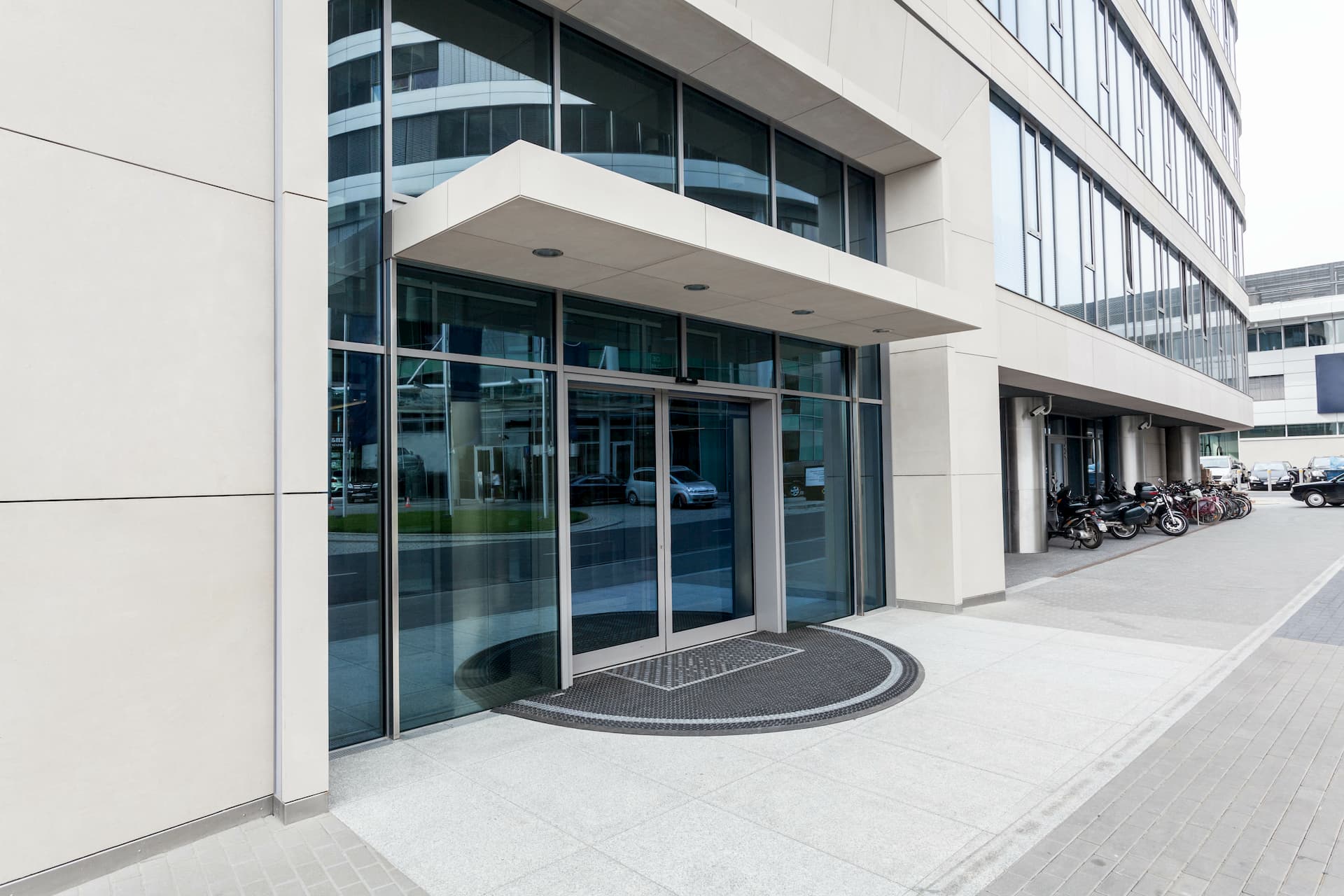
In addition to providing access, a commercial door system enhances the aesthetics, safety, and usefulness of a structure. Smooth operation, increased security, and a good first impression for customers, staff, and visitors are all results of a well-designed door system that harmoniously combines form and function. Materials, designs, functionality, and maintenance needs are just a few of the many aspects to think about when selecting a door system.
Performance and Functionality: Catering to Business Needs
When contrasted to residential doors, commercial door systems have specific requirements. They are subject to heavy use, frequent traffic, and sometimes severe weather. Minimising downtime and disturbances to regular company activities is ensured by a sturdy door system, which guarantees smooth operation, durability, and long-term performance.
How to Select the Appropriate Building Material
A business door system’s longevity, safety, and visual attractiveness are all affected by the materials used to construct it. Standard components consist of:
The security and resistance to harm offered by steel are second to none, thanks to the material’s strength and durability. Commercial and industrial buildings, as well as government buildings, frequently utilise steel doors due to their high level of security.
Commercial doors often made of aluminium since it is both lightweight and resistant to corrosion. Aluminium doors are commonly seen in commercial settings that prioritise both durability and beauty, such as office buildings and retail establishments.
Transparent and open to the light, glass doors provide an air of contemporary elegance. Businesses that place a premium on creating a warm and inviting ambiance frequently utilise them.
Wood: Doors made of wood have a classic, classy look. They are commonly found at upscale establishments that aim to exude an air of refined elegance, such shops, restaurants, and hotels.
Preventing Unauthorised Entry and Ensuring Safety with Security and Access Control
Safety of business premises is of the utmost importance. In order to prevent unwanted visitors and other dangers, a strong door system must include security measures. Among these characteristics are:
Locking Mechanisms: Electronic locks, deadbolts, and multi-point locking systems are common high-security locking mechanisms used in commercial door systems. These locks are designed to give an extra layer of protection and stop any attempts at forced entry.
Biometric readers, key fobs, and other forms of access control technology limit entry to authorised personnel only. In addition to better building management, these systems increase safety by monitoring who enters and leaves the facility.
Security Glass: Tempered or laminated glass can be used on glass doors to make them more resistant to shattering. The increased impact resistance of certain glass varieties reduces the likelihood of breakage and unwanted access.
Optimisation of Energy Use: Decreased Operating Expenses and Minimised Environmental Harm
Commercial buildings in today’s energy-conscious society must prioritise energy efficiency. Reduced heat loss and energy usage are two benefits of a well-designed door system that help make it more economical and environmentally friendly to operate.
Insulation: To improve their thermal efficiency and decrease heat loss, door systems can be filled with insulation materials.
To further improve energy efficiency, weatherstripping should be used around the door frame to minimise air penetration and drafts.
Insulation: Glass panels with two or three panes of glass provide superior thermal insulation, cutting down on heat loss and heat transmission.
Visual Appeal: Making a Good First Impression
The visual attractiveness of a structure and the initial impression it makes are greatly influenced by the business door system. The selection of materials, finishes, and design aspects may greatly influence the final look and communicate a particular brand message.
Design and Style: Door systems come in a variety of designs, from ultra-modern to ultra-contemporary. The selected design need to mirror the brand’s identity while also harmonising with the building’s architecture.
Materials and Finishes: The door system’s visual attractiveness is influenced by the choice of materials and finishes, which can be wood, steel, aluminium, paint, stain, or powder coating.
To strengthen brand recognition and improve the building’s aesthetics, door systems might integrate branding components like logos, signs, or ornamental accents.
Durability and Low Maintenance: Making Sure Everything Runs Well
To reduce maintenance needs and maximise uptime, a commercial door system should be sturdy and simple to repair. Important considerations are:
Materials: Wood and other less durable materials require more upkeep than metals and durable materials like steel.
Building: Strong, well-built door systems don’t break easily and don’t need fixing very often.
To keep the door system in good working order and extend its life, it is recommended to perform routine inspections according to established maintenance schedules.
Unique Factors: Modifying for Particular Uses and Requirements
Depending on the situation, commercial door systems can be tailored to suit a variety of demands. Important considerations are:
Strong door systems that can endure heavy use and possible abuse are necessary in high-traffic locations like shopping malls and office buildings.
Specialised door systems with improved locking mechanisms and access control systems are necessary for high-security sectors, such government buildings or banks.
Door systems installed in coastal regions or industrial buildings, for example, are subject to extremely high and low temperatures and corrosion.
A Professional Opinion Is Crucial When Choosing a Door System
The practicality, safety, and visual appeal of a facility are all affected by the business door system used. In order to select a door system that serves your needs, improves your property, and offers long-term performance and value, it is advisable to consult a trained specialist.