As education evolves to meet the needs of students in the 21st century, so does the physical environment where learning takes place. Modular classrooms have gained popularity as flexible and adaptable spaces that offer a solution to the changing needs of schools and communities. In this article, we will explore the advantages and growing popularity of modular classrooms and how they address the challenges faced by educational institutions.
- Flexibility and Adaptability:
One of the key advantages of modular classrooms is their inherent flexibility and adaptability. These classrooms are built using prefabricated components that can be easily assembled, disassembled, and moved to different locations. The modular design allows schools to quickly respond to changing enrollment numbers, space requirements, or shifts in educational programs. The ability to reconfigure classrooms easily ensures that schools can optimize their space utilization efficiently, leading to cost savings and improved efficiency.
- Quick Construction and Cost Efficiency:
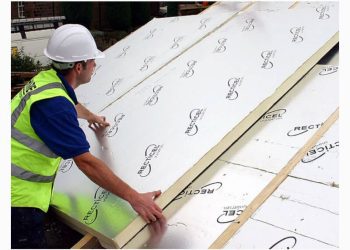
Modular classrooms are constructed off-site in controlled factory environments, minimizing delays caused by weather conditions and other external factors. This results in faster construction times compared to traditional construction methods. The streamlined manufacturing process enables schools to expand their facilities rapidly to accommodate increasing student populations. Moreover, modular construction can be more cost-effective than traditional construction, as it often involves standardized components and efficient construction techniques, reducing labor and material costs.
- Sustainability and Environmental Responsibility:
Modular classrooms align with the growing emphasis on sustainability and environmental responsibility in educational institutions. The off-site construction approach minimizes waste by optimizing material usage and recycling excess materials. Moreover, many modular classrooms are designed with energy-efficient features such as insulation, LED lighting, and low-energy HVAC systems. These classrooms can be equipped with renewable energy sources like solar panels and rainwater harvesting systems, further reducing their environmental impact. By choosing modular classrooms, schools demonstrate their commitment to sustainability and provide students with an eco-friendly learning environment.
- Customization and Modern Amenities:
Modular classrooms can be customized to meet the specific needs of schools and the diverse learning requirements of students. Schools have the flexibility to choose from a range of layouts, sizes, and configurations, ensuring that the classroom design aligns with the educational objectives. Additionally, modular classrooms can be equipped with modern amenities, including interactive whiteboards, digital displays, and ergonomic furniture. This integration of technology enhances the learning experience, promotes collaboration, and prepares students for the digital age.
- Temporary and Permanent Solutions:
Modular classrooms are not only suitable for permanent use but also offer an effective solution for temporary classroom needs. They can be deployed quickly and efficiently in response to emergency situations, such as natural disasters or unexpected increases in student enrollment. Modular classrooms provide a safe and conducive learning environment during such challenging times and can be easily relocated or removed when no longer needed. This flexibility makes them an ideal option for schools facing temporary space constraints or transition periods.
- Enhanced Educational Experience:
The modular design of these classrooms can enhance the educational experience in various ways. The flexible layouts allow for the creation of multi-purpose spaces that can be used for group activities, collaborative projects, or individual study zones. Schools can easily implement open and adaptable spaces that foster creativity, flexibility, and student-centered learning. Furthermore, modular classrooms can be designed to incorporate outdoor learning areas or green spaces, enabling students to connect with nature and enjoy a holistic educational experience.
- Community Engagement and Partnership Opportunities:
Modular classrooms contribute to building stronger relationships between schools and the community. As these classrooms can be quickly deployed in areas where conventional construction may take a longer time, they allow schools to establish closer connections with local communities. Modular classrooms can also serve as community learning centers during after-school hours or be utilized for adult education, community events, or training programs. By providing accessible and flexible spaces, schools can strengthen their ties with the community and foster a sense of shared ownership and engagement.
Conclusion:
Modular classrooms have gained popularity due to their flexibility, efficiency, cost-effectiveness, and ability to adapt to the changing needs of modern education. These classrooms offer schools the opportunity to create customizable and eco-friendly learning environments that enhance the educational experience. With their quick construction times, cost efficiency, and versatility as both temporary and permanent solutions, modular classrooms are revolutionizing the way educational spaces are designed, built, and utilized, ensuring that students have access to the best possible learning environments.